.jpg)
Authenticity Is Becoming The Most Valuable Online Currency
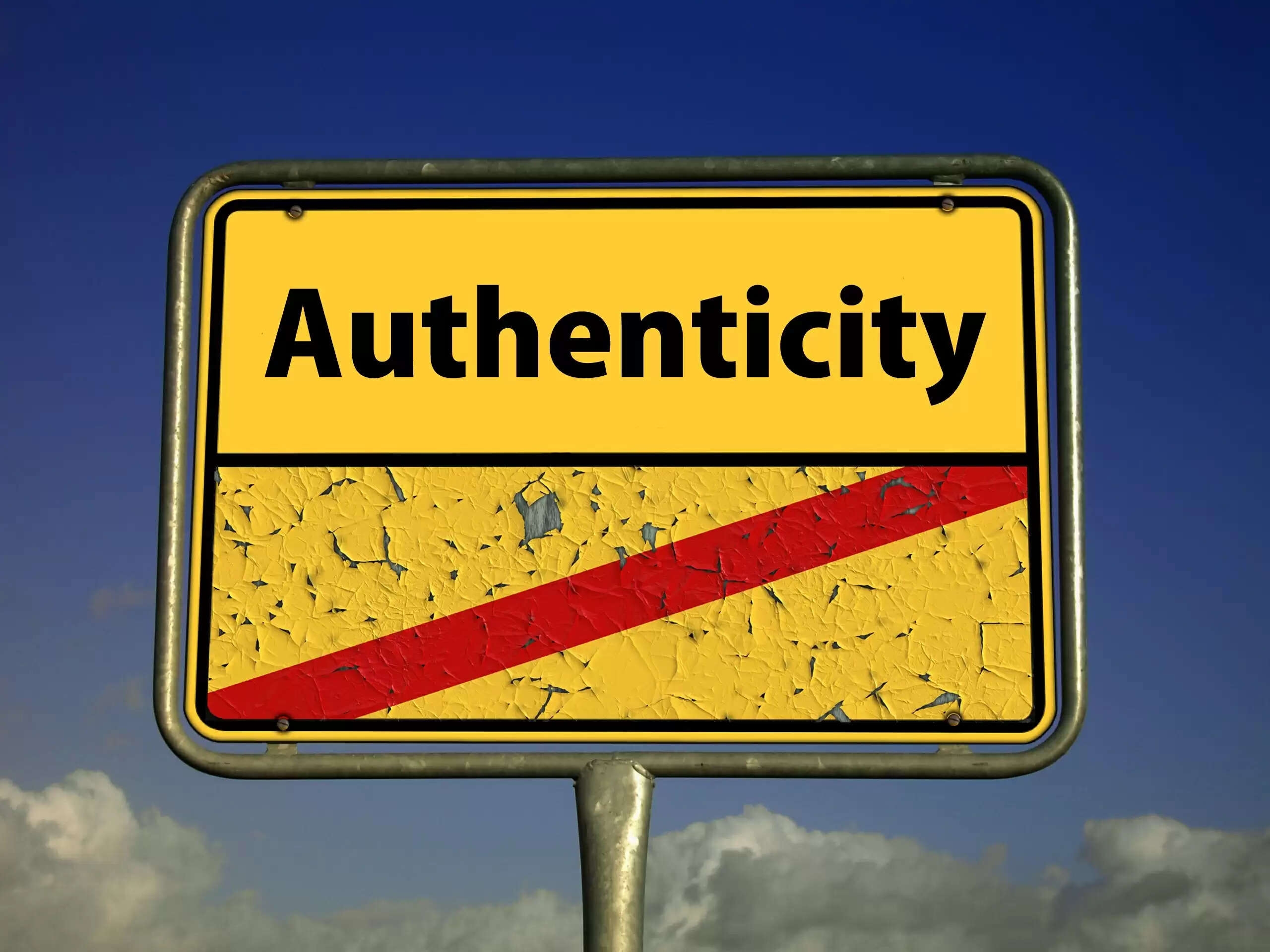
In the early days of social media, success was defined by perfection. Highly curated feeds, flawless visuals, scripted captions, and carefully staged lifestyles dominated the digital space. Virality often depended on how polished, aspirational, or exaggerated content appeared. Today, that formula is rapidly losing its power. In an online world oversaturated with filters, algorithms, and artificial intelligence, authenticity is emerging as the most valuable currency.
Why Audiences Are Choosing Honesty Over Hype
Audiences are no longer impressed by perfection—they are drawn to honesty. The shift is visible across platforms, from social media and personal branding to marketing and journalism. Users are increasingly engaging with content that feels real, relatable, and human. Raw stories, unfiltered opinions, behind-the-scenes moments, and vulnerability-driven narratives are outperforming carefully manufactured personas.
Digital Fatigue and the Collapse of Curated Trust
One reason for this change is digital fatigue. Constant exposure to idealized lives has left users emotionally exhausted and skeptical. People are more aware than ever that what they see online is often edited, sponsored, or strategically framed. As trust in polished content declines, authenticity becomes a signal of credibility. When creators, brands, or leaders communicate transparently, audiences feel a stronger emotional connection—and trust follows.
In the Age of AI, Human Imperfection Wins
Another factor driving this trend is the rise of AI-generated content. While AI has made content creation faster and more scalable, it has also made the internet feel increasingly uniform. As algorithms replicate popular formats and tones, originality becomes harder to distinguish. In this environment, human imperfection stands out. Personal experiences, unique perspectives, and genuine emotion cannot be easily replicated—and that makes them valuable.
Why Authenticity Has Become a Brand Advantage
For brands, authenticity is no longer optional; it is a competitive advantage. Consumers are choosing companies that align with their values and communicate honestly. Overly promotional messaging is often ignored, while transparent storytelling builds long-term loyalty. Brands that acknowledge mistakes, show their process, and speak in a human voice tend to foster stronger communities than those chasing viral trends.
How Vulnerability Is Redefining Professional Authority
Creators and professionals are experiencing this shift as well. The pressure to constantly perform or appear successful is giving way to more balanced self-expression. Thought leaders who share failures, lessons, and uncertainty often resonate more than those presenting themselves as flawless experts. Authenticity humanizes authority, making it more approachable and trustworthy.
The Fine Line Between Authenticity and Performance
However, authenticity is not the same as oversharing. True authenticity is intentional, not impulsive. It involves clarity of values, consistency of voice, and alignment between words and actions. Audiences are quick to detect performative vulnerability or “fake authenticity” used as a marketing tactic. When honesty is staged, it loses its power.
When Algorithms Start Rewarding Real Conversations
Social platforms themselves are evolving in response. Algorithms increasingly reward meaningful engagement—comments, saves, and shares—over surface-level metrics like likes. Content that sparks genuine conversation tends to travel further than content designed purely for attention. This reinforces the value of authenticity as both a human and algorithmic advantage.
Why Trust Is the Rarest Currency in the Digital Era
In a digital world driven by noise, speed, and automation, authenticity offers something rare: trust. It creates connection in spaces where distance is the norm and restores humanity in increasingly virtual interactions. As technology continues to advance, the paradox becomes clear—the more digital the world becomes, the more people crave what feels real.
Authenticity as the New Digital Capital
Authenticity is no longer just a personal trait or branding choice. It is a form of digital capital. Those who invest in it—through honesty, consistency, and purpose—are not just gaining attention; they are building influence that lasts.
