
Heart Aerospace Just Flew the Biggest All-Electric Plane Ever Built
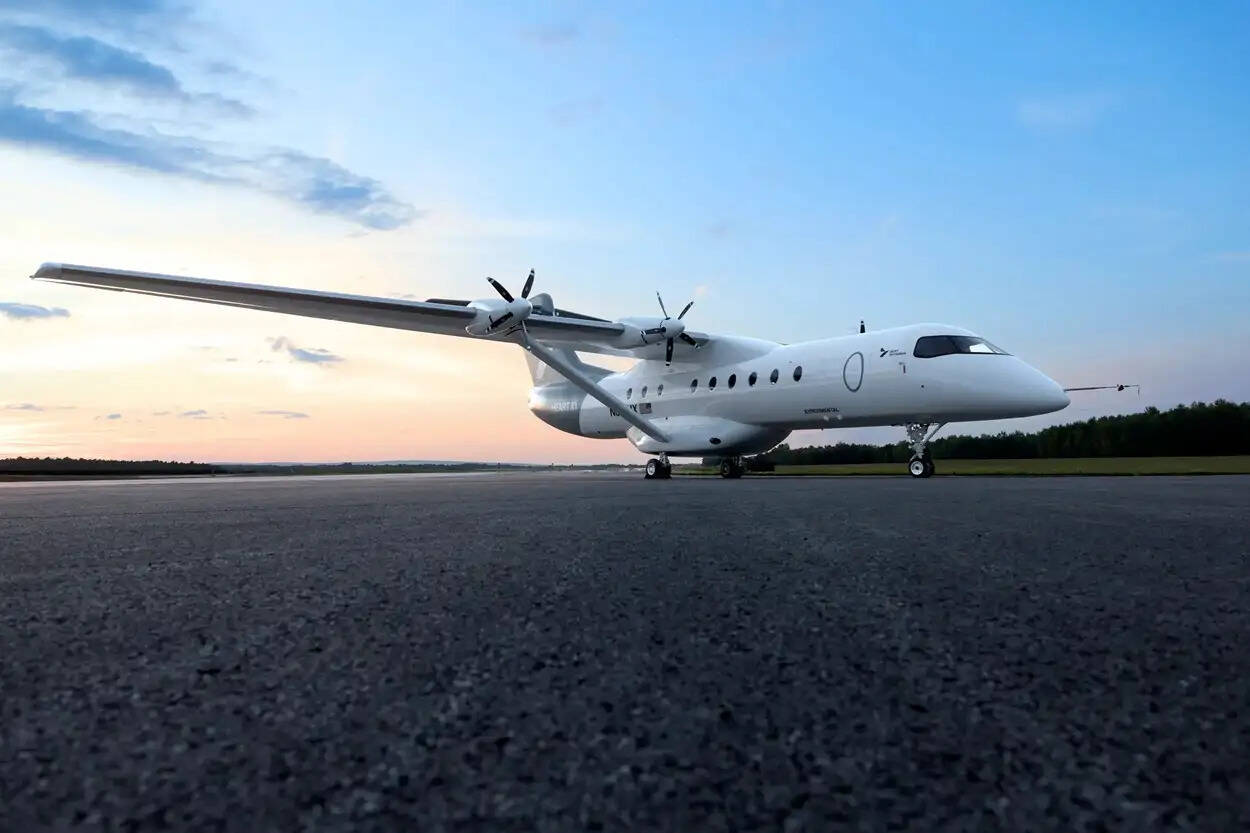
Electric aviation just crossed a threshold it hadn't reached before. On August 12, 2026, Swedish-American startup Heart Aerospace flew its X1 demonstrator aircraft — the largest battery-electric aircraft ever flown — marking what the company calls a major step toward bringing electric planes into everyday airline service.
A Plane Built at Commercial Scale
Unlike the small electric aircraft that have flown in recent years, the X1 isn't a toy-sized proof of concept. Spanning 106 feet, measuring 76 feet nose to tail, and weighing more than 25,000 pounds at takeoff, it's built at roughly the scale of a real regional airliner.
The piloted flight took off from Plattsburgh International Airport in upstate New York and lasted 27 minutes, reaching an altitude of 1,100 feet above ground level, with its all-electric propulsion system delivering more than one megawatt of power throughout.
The Headline Number: Five Dollars
Perhaps the most striking detail isn't the size of the plane, but the size of its energy bill. The entire test flight, powertrain and all, consumed roughly $5 worth of electricity. For comparison, global jet fuel prices averaged around $3.50 per gallon in the first week of August — a 63 percent jump from the previous year. That gap is central to the company's pitch: electric propulsion isn't just cleaner, it's dramatically cheaper to run.
Built to Prove a Bigger Point
The flight was conducted under an FAA Special Airworthiness Certificate in the Experimental Category, and the test profile included taxiing, takeoff, climbing, maneuvering, and landing — a full flight envelope, not just a short hop. According to CEO Anders Forslund, the flight demonstrates that electric propulsion can work at the scale of a real commercial airliner, something the industry has been chasing for years, and he expects it to eventually reshape airline economics and lower ticket costs for passengers.
The Real Target: The ES-30
The X1 itself won't carry passengers. It exists to prove out the technology behind Heart's actual production aircraft, the ES-30 — a 30-seat hybrid-electric regional airliner the company is targeting for entry into service in 2031.
Heart expects the ES-30 to cut aircraft operating costs by more than 40 percent compared to legacy regional aircraft, driven by cheaper energy, lower maintenance from simplified electric systems, and better aircraft uptime. The company has already secured commitments from United Airlines, Air Canada, and JSX.
Why It Matters Now
The timing isn't incidental. With jet fuel prices climbing sharply amid a global oil crisis, airlines have real financial incentive to look seriously at alternatives — and Heart's flight gives them a working, flying data point rather than a slide-deck promise.
Regional routes, often the least profitable segment for airlines, are exactly where the economics of electric flight could matter first.
