
Ikemeso Danshi: Japan’s Unusual Service That Helps People Cry Away Stress
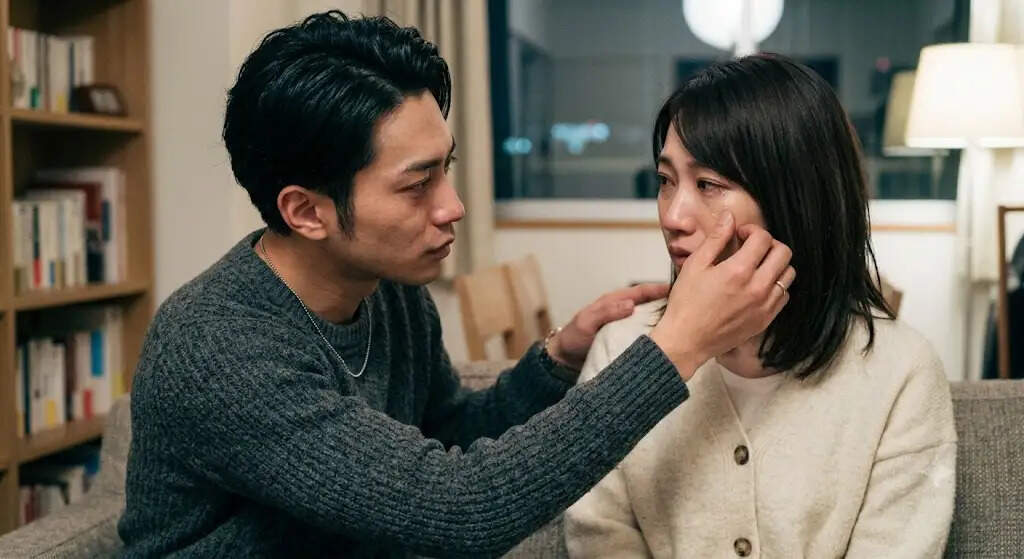
In most offices, crying at your desk is something you’d try to hide. In Japan, one unusual service turned it into something people paid for. It became known worldwide as Ikemeso Danshi, or “handsome weeping boys,” and it made a gentle, kind-looking stranger the person who helps you finally let your tears out.
What Does Ikemeso Danshi Mean?
The name is a playful mix of Japanese words. Ikemen means a good-looking man, mesomeso describes weeping or sobbing, and danshi means boys or young men. Put together, it roughly translates to “handsome men who make you cry.”
The idea came from Japanese entrepreneur and author Hiroki Terai. He started holding group crying events in 2013 and later expanded the concept into a service that reached international headlines around 2015.
How Does It Work?
A client chooses a “handsome weeping boy” from an online catalogue, and he visits the client, often at the workplace. He plays emotional videos, such as touching short films, animal stories or sad movie scenes, to help people open up. Once the tears start flowing, he gently wipes them away with a handkerchief.
Some reports have indicated a cost at around 7,900 yen per visit.
The Bigger Idea: Rui-Katsu
Ikemeso Danshi grew out of a wider practice called rui-katsu, which means “tear-seeking.” The belief behind it is simple: a good cry releases built-up stress and leaves you feeling lighter and calmer afterwards. Terai has said he takes part in crying sessions himself on weekends to reset before the working week.
Many people know the feeling. After a long cry, you often feel tired but strangely relieved, as if something heavy has been lifted.
Why Did It Catch On in Japan?
Japanese culture has traditionally valued emotional restraint, especially in public and professional settings. Long working hours and high-pressure jobs leave many people with little space to process their feelings. In surveys comparing countries, Japanese people have been found to be among the least likely to cry.
Ikemeso Danshi offered a safe, structured and slightly playful way to break that habit. Terai initially had divorced women in mind as clients, but he found the sessions appealed to many others, particularly women in demanding jobs who lacked emotional support at home.
Why a Handsome Man?
The “handsome” part isn’t just a gimmick. Observers suggest people respond more openly when they’re with someone they find attractive and caring, which can make the emotional release feel stronger. The weeping boys are meant to feel warm and comforting, not romantic.
The Bottom Line
Ikemeso Danshi may sound quirky, but it points to something universal: everyone needs room to feel. In a culture where holding it together is expected, a few handkerchiefs and a kind face made it acceptable to fall apart for a little while, and to feel better because of it.
