
Why Your Earbuds Could be a Neurodata Problem — and What the Law Says
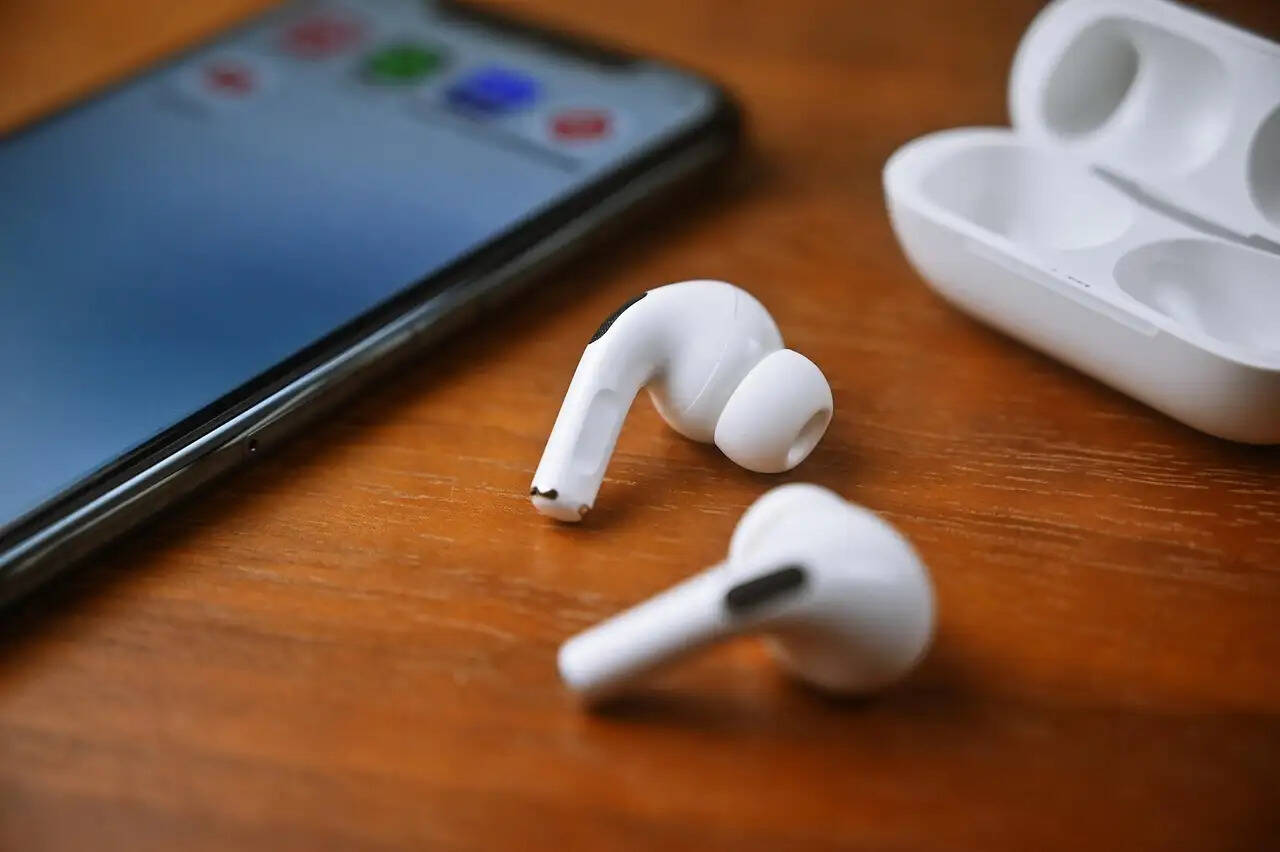
Earbuds used to do one job: play sound. The newest ones also listen to you — not to your voice, but to the electrical activity of your brain. In February 2026, Smartbuds were launched. These are wireless earbuds with built-in EEG sensors that use audio to guide wearers into deeper sleep.
Some neurotechnology companies sell EEG-enabled headphones that track focus. An everyday accessory has quietly become a neurotechnology device, and that raises a question the law is only beginning to answer: who controls the data your brain produces?
Why neurodata is different
You can change a password or cancel a credit card. You cannot stop producing brainwaves. Neural data is generated involuntarily, and it is intimate in a way other data is not. Today's consumer EEG captures fairly coarse signals such as sleep stages, attention and stress.
But researchers have shown that neural signals can be used to infer emotions, whether someone is paying attention and, in some lab studies, even inner speech. Because AI decoding keeps improving, data collected today may reveal far more in five years than it does now. Once it is stored, it cannot be taken back.
The privacy gap
Health privacy rules like HIPAA cover doctors, hospitals and insurers, not wellness gadgets bought online. A review by the Neurorights Foundation found that 29 of 30 consumer neurotech companies had access to users' brain data with no meaningful limits, and almost all could share it with third parties. Earbuds sit squarely in that gap: worn for hours, paired with apps and synced to the cloud.
What the law says today
US states. Colorado, California, Montana and Connecticut have amended their consumer privacy laws to treat neural data as sensitive, which generally means stronger consent requirements and limits on selling or sharing it. The catch is that each state defines "neural data" differently, so whether data from earbuds, smartwatches or wrist sensors is covered can depend on unsettled definitions. In 2026, California and Illinois also debated bills limiting how employers may use neurotech on workers.
Federal. There is still no comprehensive US law. The MIND Act (S. 2925), introduced in September 2025 by Senators Schumer, Cantwell and Markey, would direct the Federal Trade Commission to study neural data and recommend protections. It is a study bill, not a ban.
Global. In November 2025, UNESCO adopted the first global framework on the ethics of neurotechnology. It is non-binding, but it calls for strict safeguards on neural data, freely given and informed consent, and special protection for children. Chile went further back in 2021, writing mental integrity into its constitution.
What good protection looks like
Strong neurodata law should rest on a few principles:
- One clear definition that covers raw signals and the mental states inferred from them.
- Opt-in consent for each use, not a buried checkbox.
- No sale of neural data, and tight limits on sharing.
- Data minimisation, favouring on-device processing over cloud uploads.
- Deletion rights that actually work.
- Guardrails at work and school, where saying no is harder.
Until then, consumers can read the privacy policy before buying, check whether raw EEG leaves the device, and ask companies to delete stored data.
The bottom line
Earbuds are becoming the first mass-market window into the human brain. The technology could help millions sleep and focus better, but only if the law treats the mind as the last truly private space and protects it before the data is already out there.
Disclaimer: The information and reference materials contained here are intended solely for the general information of the reader. The publisher or its management do not claim responsibility of this information.
