.jpg)
Ancient Clay Tablets Reveal Secrets of Magic, Kings, and Everyday Life
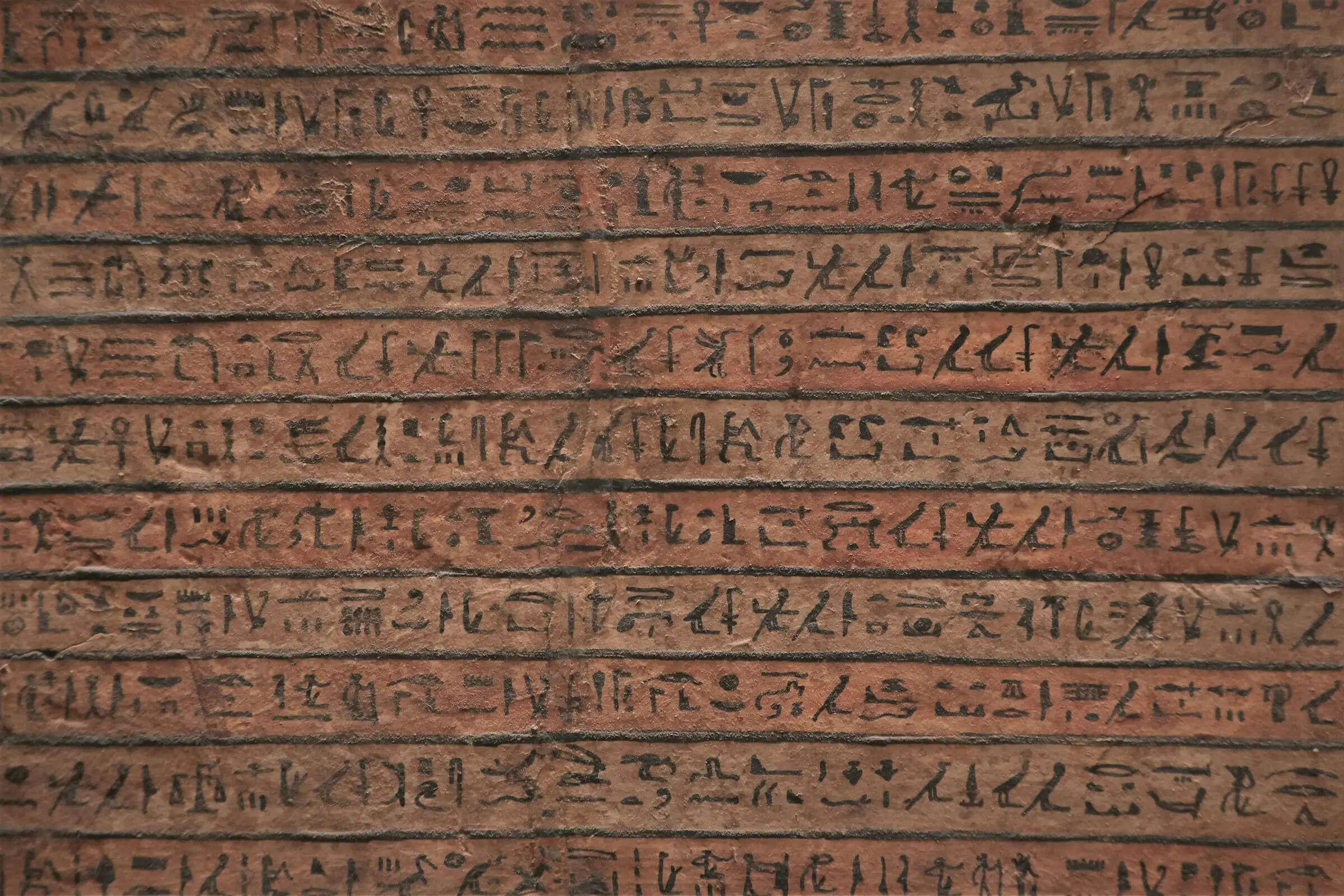
Forgotten Records Return to Light
Thousands of years after they were first inscribed, ancient clay tablets from early Middle Eastern civilizations have been decoded, offering a rare glimpse into politics, spirituality, trade, and ordinary life. Preserved for decades inside a museum archive, the collection includes records dating back more than four millennia. Written in cuneiform, one of humanity’s earliest writing systems, the tablets capture the transition of ancient societies from simple settlements into organized urban powers.
Birth of Early Administration
Historians believe the earliest cuneiform symbols emerged over 5,000 years ago in regions that are now part of Iraq and Syria. The writing system became a vital tool for rulers and merchants, helping them monitor trade, taxation, labor, and supplies. Newly decoded texts show that administrative systems in those civilizations were surprisingly advanced, with detailed records tracking goods, workers, and financial matters across expanding cities and kingdoms.
Rare Rituals From Ancient Syria
Among the most remarkable discoveries are ritual texts linked to royal protection ceremonies. Some tablets, recovered from the ruins of an ancient Syrian city destroyed during an imperial invasion nearly 3,000 years ago, describe ceremonies intended to shield rulers from danger and political unrest. These rites reportedly involved symbolic figurines, sacred chants, and overnight purification practices believed to drive away harmful forces. Researchers say such records are extremely uncommon, especially from regions far from the empire’s political center.
Clues About Legendary Kings
Another important find includes a royal succession record listing rulers from ancient Mesopotamian history. The document combines mythical and historical figures, tracing leadership traditions to periods associated with flood legends. Scholars believe the text may strengthen arguments that a famous heroic king from ancient epic literature could have been inspired by a real historical ruler. The discovery is considered significant because only a limited number of such records survive today.
Daily Life Written in Clay
Not all the tablets focus on kings and rituals. Several contain personal correspondence, inventories, payroll details, and trade accounts, reflecting the routines of ordinary life. One particularly relatable discovery is an ancient receipt documenting a beer transaction, proving that even thousands of years ago, record-keeping extended to everyday purchases. Together, the texts paint a vivid portrait of civilizations balancing royal power, religious belief, and practical administration.
