.jpg)
The Subscription Economy Shift: Are Consumers Reaching Their Limit?
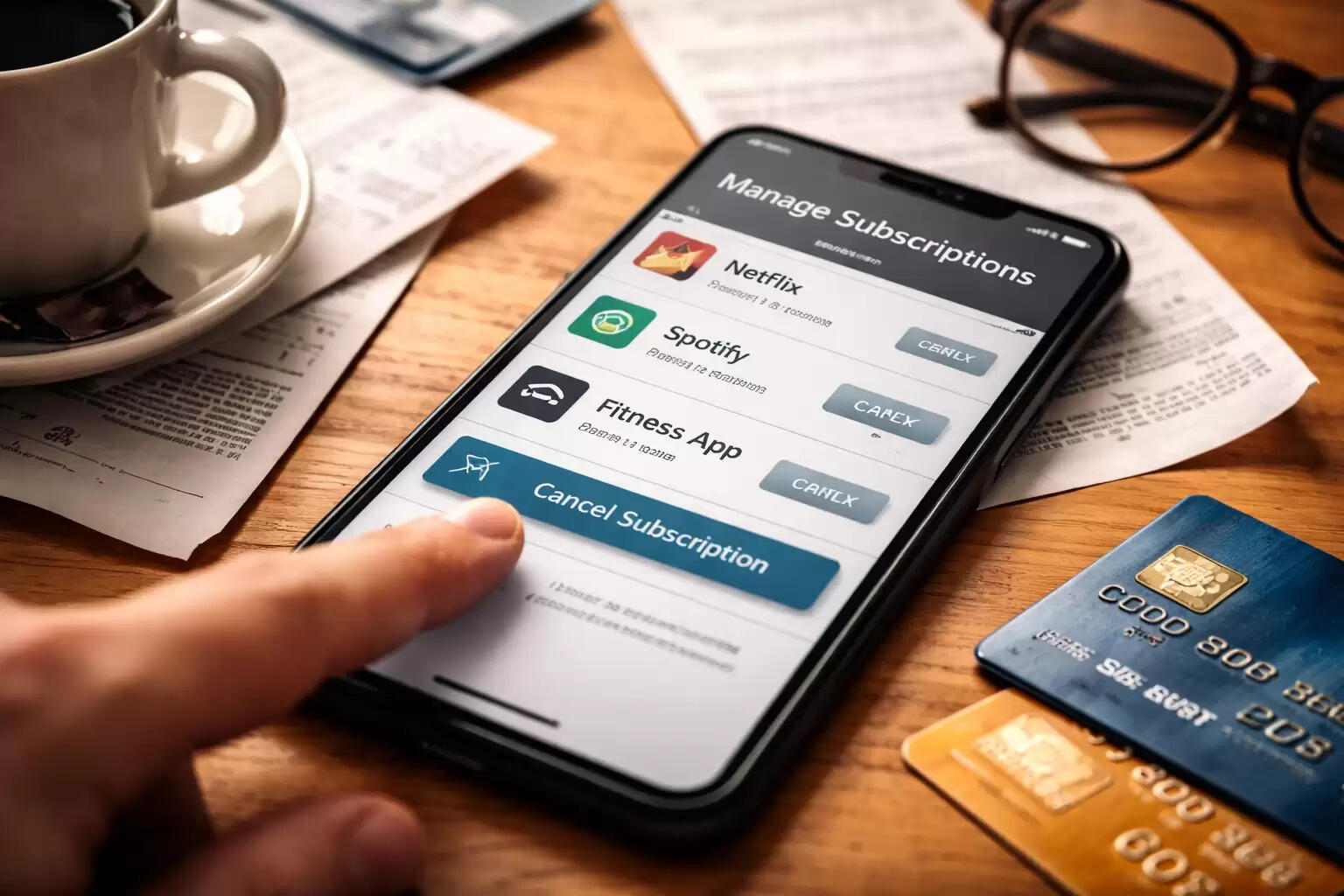
From streaming platforms and fitness apps to meal kits and software tools, the subscription economy has quietly transformed the way people spend money. What once required one-time purchases is now packaged into recurring monthly payments. Convenience, personalization, and seamless digital access have fueled rapid growth across industries.
A New Concern: Subscription Fatigue
Yet a new question is beginning to surface in consumer markets: are people experiencing subscription fatigue? As the number of services charging recurring fees increases, many households are starting to rethink how many subscriptions they actually need.
Expansion Beyond Entertainment
Over the past decade, subscription-based models have expanded far beyond media and entertainment. Cloud software has replaced traditional licensing models. Online learning platforms now operate through tiered memberships. Even everyday household essentials can be scheduled for automatic delivery through subscription services.
The Early Appeal of the Model
The appeal of subscriptions was clear from the beginning. Companies benefited from predictable and recurring revenue streams, while consumers gained continuous access to products and services without the need for repeated purchases. For many businesses, subscriptions also helped build long-term customer relationships.
Economic Pressures Change Consumer Behavior
However, rising living costs and broader economic pressures are now prompting consumers to take a closer look at their recurring expenses. Small monthly payments that once seemed insignificant are gradually accumulating into substantial outflows. As a result, many households are reviewing their digital subscriptions more carefully.
Cancellation and Service Rotation on the Rise
Recent consumer behavior reports suggest that subscription cancellations have increased over the past year. Instead of maintaining multiple services simultaneously, some users are beginning to rotate subscriptions—activating one service for a short period and canceling it before switching to another. With switching costs remaining low, customer loyalty is becoming less predictable.
Companies Respond With New Strategies
Businesses are increasingly adapting to this shift. Many are introducing bundled offerings, loyalty incentives, and flexible pricing models in an effort to retain subscribers. Streaming platforms are experimenting with lower-priced, ad-supported tiers, while software providers are offering modular plans that allow customers to pay only for specific features.
The Growing Importance of Perceived Value
Another factor shaping the subscription landscape is the growing importance of value perception. Consumers now expect regular updates, new content, and additional benefits in exchange for recurring payments. Services that remain static for long periods are finding it harder to justify their monthly fees. Transparency around pricing and benefits is also becoming a key differentiator.
An Industry That Is Evolving
Despite these changes, the subscription economy itself is far from disappearing. Instead, it is entering a more mature phase in which growth will depend on sustained relevance rather than rapid customer acquisition.
Personalization Becomes a Competitive Edge
To remain competitive, many companies are turning to deeper personalization. AI-driven recommendations, usage analytics, and continuous feedback loops are increasingly being used to tailor services to individual users. Businesses are recognizing that maintaining engagement may be as important as attracting new subscribers.
The Return of Ownership
At the same time, a subtle shift is occurring in consumer preferences. Some buyers are rediscovering the appeal of ownership models, such as digital downloads, lifetime access plans, or one-time purchases. For cost-conscious consumers, these alternatives can offer greater long-term value.
The End of the Easy Growth Phase
The broader implication is becoming clear: the early, effortless growth phase of subscription models may be coming to an end. The next stage will likely demand greater innovation, pricing flexibility, and a deeper understanding of consumer psychology.
Strategic Questions for Businesses
For businesses operating in the subscription economy, the challenge is increasingly strategic. In a crowded digital landscape, companies must find ways to remain indispensable rather than simply convenient.
A More Selective Consumer
For consumers, the decision is becoming more practical. Many are now asking which subscriptions genuinely add value to their daily lives and which ones have become little more than automated habits.
A More Mature Subscription Economy
The subscription economy has already reshaped modern commerce. But as consumers become more selective and value-driven, the model itself is evolving. The era of “subscribe first, think later” may be gradually giving way to a more deliberate and discerning approach to digital spending.
