.jpg)
The Hidden Power Of A Pianist’s Touch
A Musical Mystery Revisited
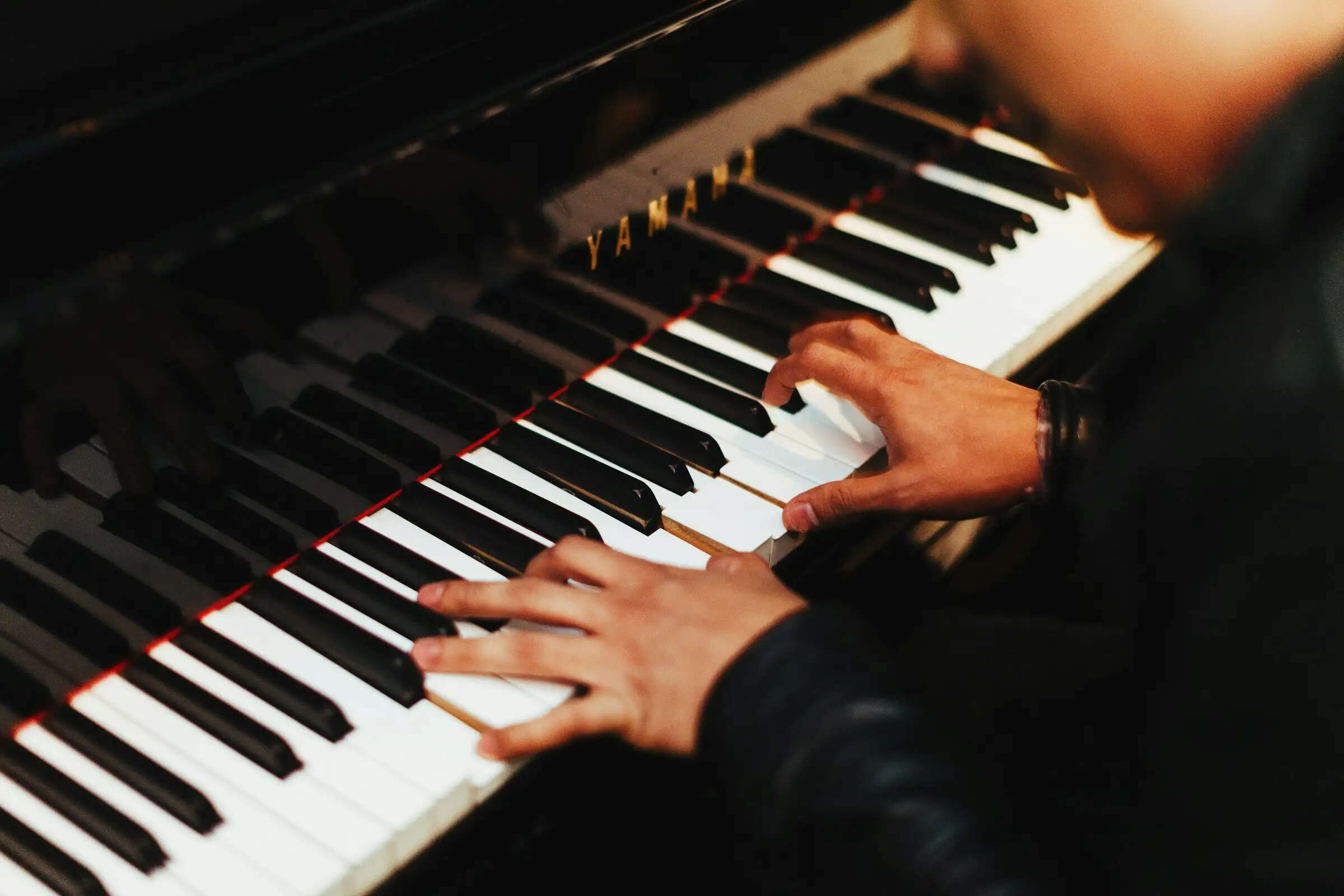
For decades, musicians have maintained that the way a pianist interacts with the keyboard can influence the character of a note. Critics, however, argued that once the hammer strikes the strings, the instrument itself determines the resulting sound. A new scientific investigation is now offering strong evidence that performers can, in fact, shape the tonal quality of piano notes through touch alone.
Tracking the Unseen
To explore this long-standing debate, researchers employed an advanced sensing system capable of capturing piano key movements with extraordinary speed and precision. Every key action was monitored in microscopic detail, allowing scientists to observe performance mechanics that are normally invisible to the human eye.
Highly accomplished pianists were asked to intentionally produce contrasting tonal effects, such as brighter versus darker sounds and lighter versus heavier expressions. Although the notes appeared similar on the surface, the recordings revealed subtle differences in how the keys were activated.
Listeners Recognized the Difference
The study then examined whether these variations could actually be heard. Listening tests showed that participants consistently identified the intended sound qualities. Even individuals with little or no musical background were able to distinguish between different tonal characteristics.
Experienced musicians demonstrated an even greater ability to recognize these nuances. The findings suggest that changes in tone are not simply a matter of imagination or interpretation but can be detected by listeners in a reliable way.
Tiny Movements, Big Impact
Further analysis uncovered a small number of movement patterns closely linked to perceived changes in sound. Minute differences in acceleration, timing, and coordination played an important role in shaping how listeners described the notes they heard.
Researchers found that modifying specific movement characteristics could directly influence the tonal impression of a note. This points to a measurable connection between physical technique and musical expression, reinforcing the idea that artistry is rooted in highly refined motor skills developed through years of practice.
Beyond Music Education
The implications extend well beyond piano performance. Future learning technologies could help students visualize the exact physical actions associated with expressive playing, making advanced techniques easier to understand and master.
The findings may also prove valuable in fields such as neuroscience, rehabilitation, robotics, and human-machine interaction. Understanding how precise movements influence perception could inspire new approaches to skill development, recovery therapies, and intelligent technologies.
A New Window Into Creativity
The research also contributes to a broader effort to understand how creativity emerges. By linking subtle physical actions with emotional and sensory experiences, the study reveals how the body and mind work together to create artistic expression. It suggests that some of music’s most powerful effects may arise from movements so small they are almost impossible to see, yet meaningful enough for listeners to hear.
