.jpg)
Could The Future Of Vision Correction Be Completely Free Of Lasers?
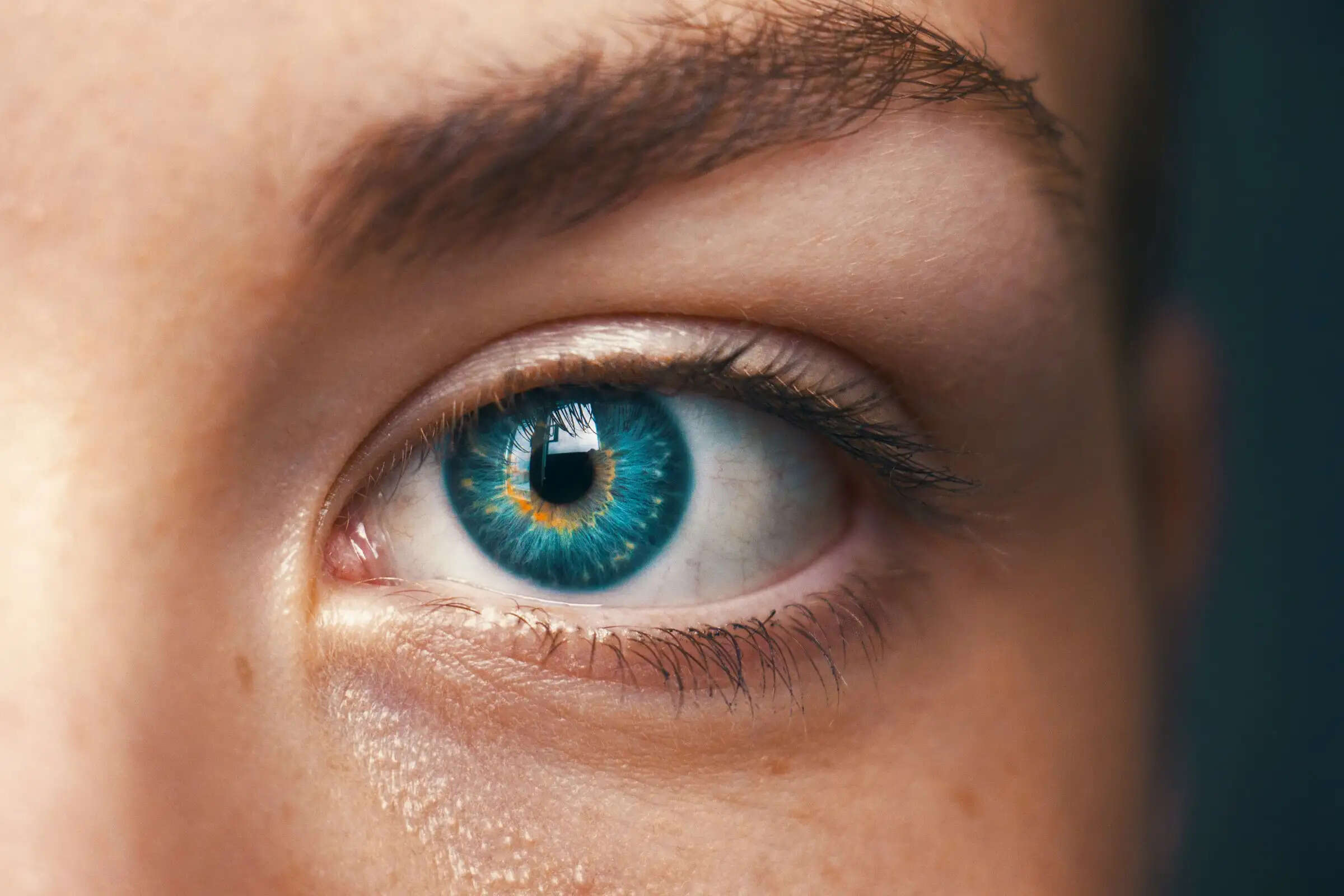
A New Chapter in Eye Care
For years, laser-based procedures have been the preferred solution for correcting common vision problems. By reshaping the eye’s surface, these treatments have helped millions achieve clearer sight. Now, researchers are exploring a different path—one that could improve vision without lasers, surgical cuts, or the removal of tissue.
The experimental approach uses mild electrical stimulation to temporarily soften and reshape the cornea. If successful, it could provide a less invasive and potentially more affordable alternative to existing vision-correction procedures.
The Cornea’s Role in Clear Vision
The cornea, the transparent front layer of the eye, plays a crucial role in focusing light onto the retina. Its shape determines how accurately images are formed.
When the cornea becomes too steep, too flat, or uneven, light fails to focus properly, leading to conditions such as nearsightedness and blurred vision. Current surgical methods correct these issues by permanently altering the cornea through the removal of small amounts of tissue.
Although widely used and generally effective, these procedures can sometimes be associated with side effects, including dry eyes, glare, visual disturbances, and reduced corneal strength.
An Accidental Discovery with Big Potential
The foundation of this new technology emerged from studies involving collagen-rich tissues. Researchers found that gentle electrical currents could temporarily influence the chemical bonds that give these tissues their strength.
Collagen fibers are held together by charged molecules that maintain stability. Scientists discovered that carefully controlled electrical stimulation could briefly loosen these connections, making the tissue flexible enough to be reshaped. Once the treatment ended, the tissue regained its firmness while retaining its new form.
This finding led to the development of a process known as electromechanical reshaping, which aims to modify the cornea without removing any tissue.
Reshaping the Eye with Electricity
To test the concept, researchers developed specialized platinum contact lenses capable of delivering a mild electrical charge. During laboratory experiments, eye samples were placed in a fluid similar to natural tears while the lenses guided the reshaping process.
Within about a minute, the cornea gradually adapted to the shape of the lens. Tests on rabbit eye samples showed changes in focusing power similar to those needed to correct nearsightedness. Researchers also observed that the tissue remained healthy throughout the procedure, suggesting that the eye’s natural structure could be preserved.
Beyond Vision Correction
The technology may have uses beyond correcting refractive errors. Early findings suggest it could potentially help reduce certain forms of corneal clouding that affect eyesight. Scientists also believe the technique could eventually be adapted for a wider range of vision disorders, including conditions caused by irregular corneal shape and structure, expanding its potential role in future eye care.
This broader potential has raised hopes that the method could one day provide new treatment options for patients with complex corneal conditions while preserving the eye's natural tissue.
Still a Work in Progress
Despite encouraging results, the technology remains in the research stage. Most testing has been conducted in laboratory settings, and further studies are needed to evaluate long-term safety and effectiveness.
For now, laser procedures remain the standard for vision correction. However, this emerging technique offers a glimpse into a future where clearer eyesight could be achieved without lasers, incisions, or permanent tissue removal.
