
Samsung vs Apple Flagships: Which One Truly Delivers?
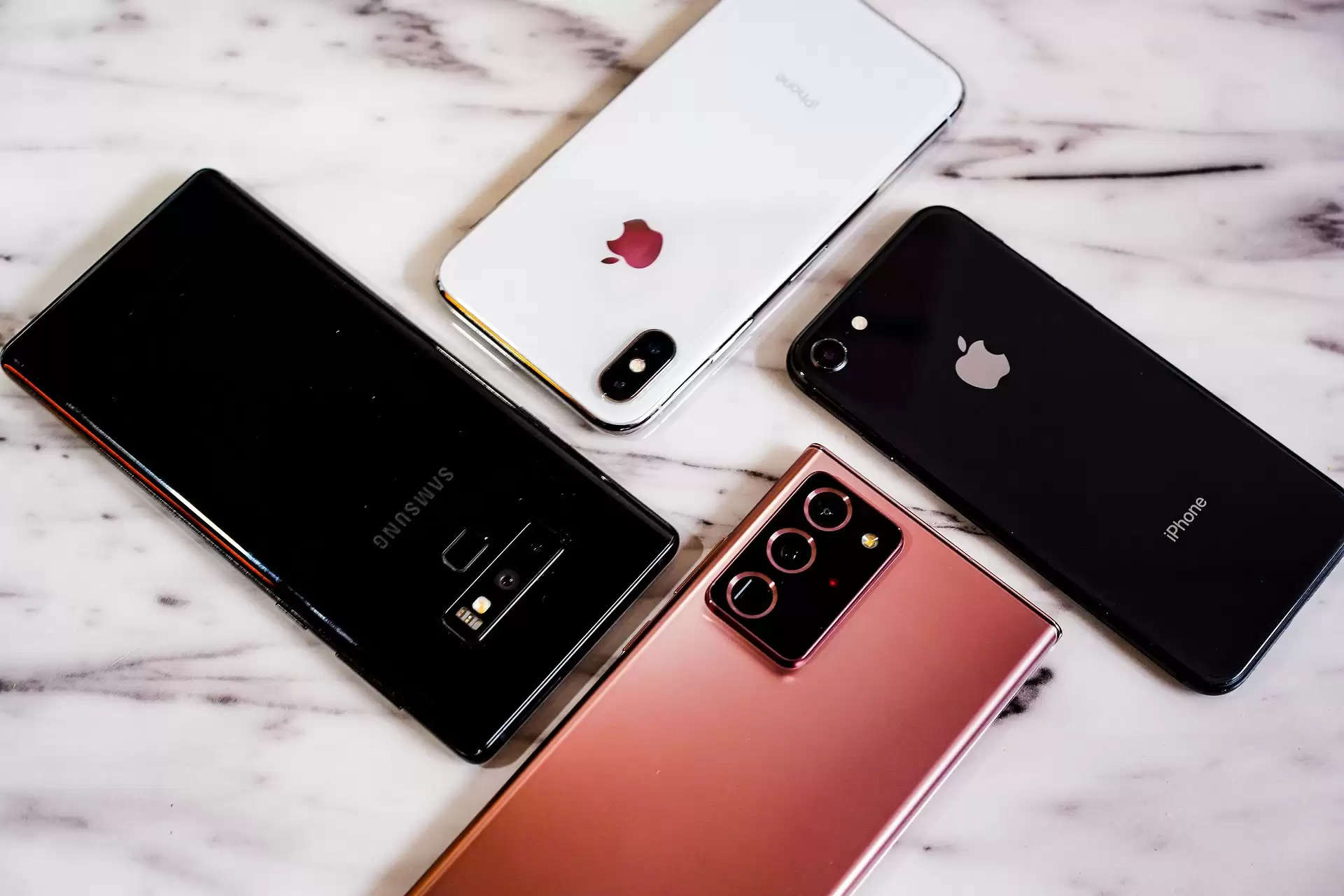
The long-standing debate between Samsung and Apple continues to evolve, but today’s reality shows fewer users switching sides. Instead, buyers are focusing on extracting maximum value from top-tier devices. The spotlight now falls on the Samsung Galaxy S26 Ultra and the Apple iPhone 17 Pro Max—two premium smartphones engineered to deliver peak performance. For those not tied to a specific ecosystem, the decision ultimately hinges on hardware, usability, and long-term experience.
Design Language: Subtle Differences, Strong Impressions
Both smartphones embrace large form factors with nearly identical footprints, yet their design philosophies differ slightly. The Galaxy model leans towards a slimmer and lighter build, making it more comfortable for prolonged use. Meanwhile, the iPhone opts for a more familiar aesthetic with a refined metallic finish. Despite these differences, both devices offer top-notch durability, premium materials, and a distinctly high-end feel.
Display Experience: Brightness Meets Practicality
Each device features a 6.9-inch OLED panel with adaptive 120Hz refresh rates and advanced anti-reflective coatings. While the Galaxy panel can push slightly higher brightness levels in specific scenarios, both screens deliver excellent visibility even under harsh sunlight. A standout addition on the Galaxy is its privacy-focused viewing mode, designed to restrict side-angle visibility—an increasingly relevant feature in crowded environments.
Performance Powerhouse: Speed Without Compromise
At the core of both devices lie cutting-edge processors, ensuring seamless multitasking and high-end gaming performance. While benchmark variations exist, real-world usage reveals negligible differences. Both smartphones are built to handle intensive applications effortlessly, making performance a non-issue for most users. Storage configurations vary, with the iPhone offering higher maximum capacity options for users with extensive data needs.
Battery and Charging: Endurance vs Speed
Battery performance reveals a nuanced contrast. The iPhone leads in overall endurance, particularly during web browsing and gaming sessions. However, the Galaxy counters with significantly faster charging speeds, allowing users to regain power more quickly. Wireless charging also differs, with the iPhone offering integrated magnetic support for accessories, while the Galaxy requires additional compatibility solutions.
Camera Capabilities: Versatility Over Dominance
Both devices feature advanced multi-camera systems with comparable hardware setups. Daylight photography produces detailed and balanced images on both ends, with subtle differences in color tuning. Zoom performance is evenly matched, though each device shows strengths under specific lighting conditions.
In low-light environments, results depend heavily on software processing. The iPhone delivers more consistent outcomes, while the Galaxy occasionally requires manual intervention to achieve optimal results. Selfie performance stands out on the Galaxy, whereas the iPhone offers greater flexibility in framing and aspect ratios.
Video and Audio: A Cinematic Edge
Video recording capabilities are robust across both smartphones, supporting high-resolution formats and professional-grade features. However, the iPhone edges ahead with sharper footage and more consistent quality, especially in challenging lighting. Audio output also favors the iPhone, offering richer tones and deeper bass.
Software and Intelligence: Longevity Matters
Software support plays a crucial role in long-term value. The Galaxy offers extended update coverage and introduces a broader suite of AI-driven features, enhancing usability and personalization. Meanwhile, the iPhone ecosystem remains streamlined, though some advanced AI functionalities are still evolving.
Final Verdict: A Choice of Priorities
The comparison between these two flagship devices highlights a clear pattern—there is no absolute winner, only better alignment with user needs.
The Galaxy appeals to those seeking innovation in features, faster charging, and added productivity tools. On the other hand, the iPhone caters to users prioritizing battery longevity, superior video quality, and seamless accessory integration.
In the end, the decision is less about superiority and more about which device complements your daily habits and expectations.
Disclaimer: The details about the gadgets and devices mentioned in this article and / or table are compiled from publicly available sources. For complete and accurate specifications, please check the official brand information.
