.jpg)
Estonia Travel Guide: What to Experience in Northern Europe's Best-Kept Secret
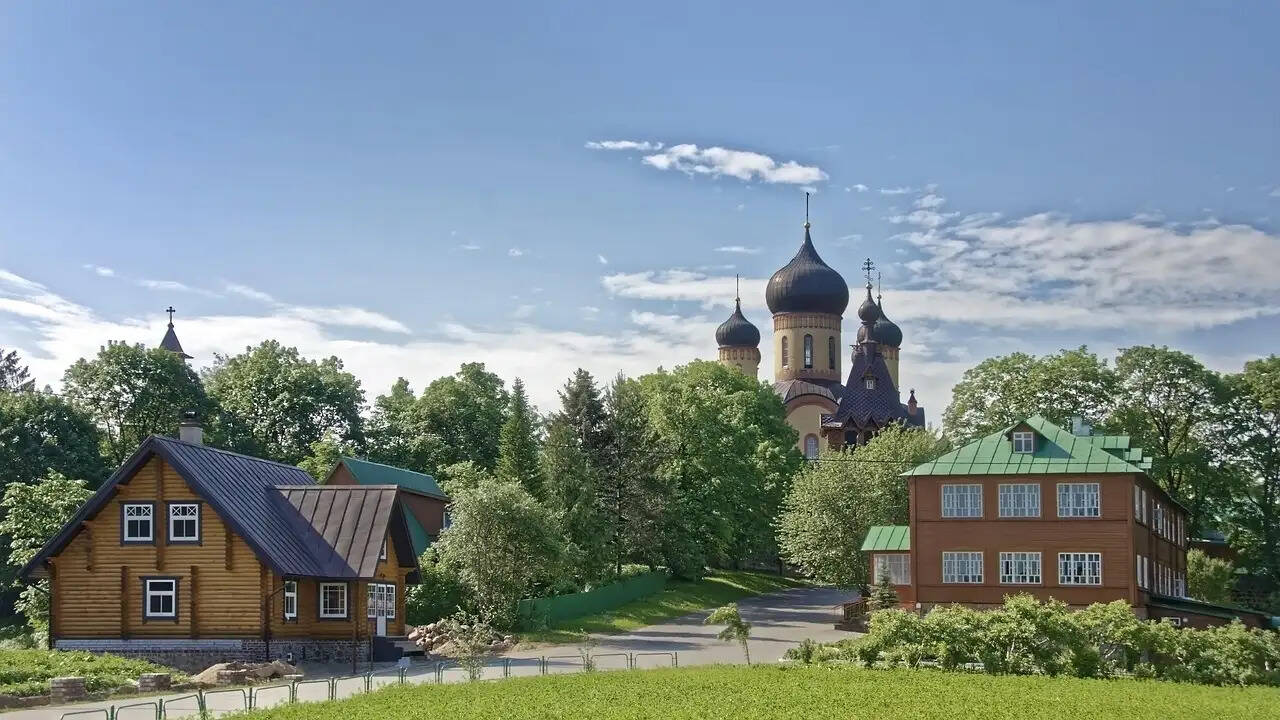
Estonia occupies a strange, wonderful contradiction: it's simultaneously one of Europe's most digitally advanced nations and home to one of the continent's best-preserved medieval old towns.
Add wild coastal scenery, ancient bogs, and a food scene earning genuine international recognition, and it's easy to see why more travelers are discovering this small Baltic country each year.
Wander Tallinn's Medieval Old Town
Tallinn's UNESCO-listed Old Town is widely regarded as one of the best-preserved Hanseatic cities in the Baltic region — a near-complete medieval streetscape of Gothic towers, limestone walls, and cobblestoned alleyways that has looked largely unchanged since the 15th century.
Don't miss Raeapteek, Europe's oldest continuously operating pharmacy, dating back to 1422, which still sells marzipan and mulled wine alongside modern prescriptions. St. Nicholas' Church, built in the 1230s, now functions as a museum of religious art and houses the haunting "Dance of Death" painting by Bernt Notke.
Step Beyond the Old Town Walls
First-time visitors often make the mistake of booking too many nights inside the Old Town alone. Kadriorg Park and Palace offers a Baroque, Peter the Great-era estate paired with KUMU Art Museum, home to Estonia's finest contemporary art collection.
The Seaplane Harbour (Lennusadam) Maritime Museum, built inside a set of dramatically repurposed seaplane hangars, is consistently ranked among Tallinn's best museums, complete with a full-size submarine and interactive flight simulators.
For something more offbeat, Telliskivi Creative City transforms a former railway warehouse district into a hub of street art, design studios, and independent food stalls.
Eat and Drink Like a Local
Estonian cuisine centers on dark rye bread, traditionally paired with fresh butter, curd cheese known as kohupiim, and kama — a distinctive roasted grain mixture often called an Estonian superfood. For something more adventurous, seek out kvass, a traditional fermented beverage with a tangy, slightly sweet profile.
Estonia's craft beer scene has also grown considerably, particularly on the island of Saaremaa, and no trip is complete without trying Vana Tallinn, the country's signature spiced liqueur. Fine dining has arrived here too — Tallinn and Tartu now host several Michelin Guide-recognized restaurants, putting the country firmly on Europe's culinary map.
Escape Into Estonia's Wild Nature
Roughly half of Estonia is covered in forest, and the country's raised bogs are unlike anything most travelers have experienced. Lahemaa National Park, an easy day trip from Tallinn, combines the Jägala waterfall, a historic manor estate, a traditional fishing village, and the atmospheric Viru Bog into a single outing.
Guided foraging trips through Estonia's ancient forests, hunting for wild mushrooms, berries, and herbs, have become an increasingly popular way to experience the country's deep connection to its natural landscape.
Take a Day Trip Beyond the Capital
Estonia's small size and efficient, inexpensive public transport make day-tripping remarkably easy. A ferry to Helsinki takes just two hours, letting travelers combine two Nordic capitals in a single trip, while a bus to Riga, Latvia, takes around four hours.
Within Estonia itself, Tartu offers a quieter, university-town alternative to Tallinn, and the island of Saaremaa rewards travelers with dramatic coastlines, windmills, and its own thriving beer scene.
When to Go
June through August brings long daylight hours and Estonia's liveliest outdoor events, while December draws visitors for Tallinn's Christmas market, consistently ranked among Europe's best and tracing its tree-lighting tradition back to 1441.
Travelers hoping to avoid peak summer crowds often find May or September offer the best balance of good weather and thinner crowds.
Practical Basics
Estonia uses the euro and is part of the Schengen Area, and Tallinn Airport connects to more than 30 European cities. It's also considerably more affordable than its Scandinavian neighbors, with mid-range travel typically running somewhere between €60 and €100 per day.
Two to three days is generally enough to explore Tallinn's Old Town thoroughly, but travelers with a week or more will find Estonia rewards venturing beyond the capital into Tartu, the islands, and the country's quieter natural corners.
