.jpg)
Forest Bathing: A New Wellness Escape
Understanding Forest Bathing
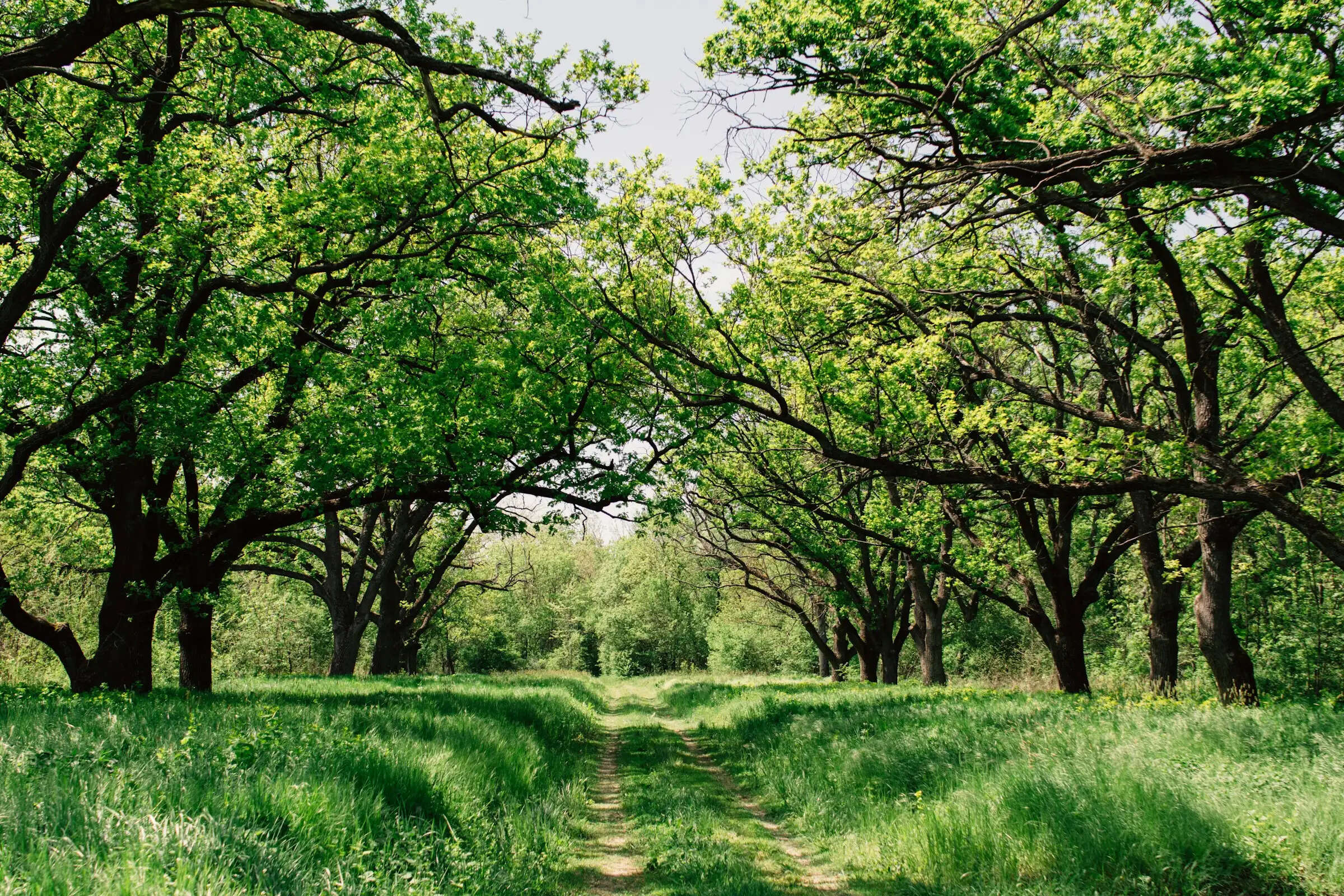
Forest bathing, often referred to as Shinrin-yoku, is a mindful practice that involves immersing oneself in a natural environment. It focuses on engaging all the senses to build a deeper connection with nature and oneself. It is not about hiking, exercising, or reaching a destination. Instead, it is about slowing down, observing, and experiencing the surroundings with intention.
Typically guided, the practice encourages participants to notice sounds, textures, scents, and sights, allowing nature to become a space for reflection, awareness, and restoration.
Rethinking What It Means to “Unplug”
Stepping into a forest may seem like a simple escape from routine. Many assume it involves sitting quietly for a brief moment before returning to daily life, while others carry unusual assumptions about what such an experience might involve.
In reality, forest bathing is far more structured and immersive than it appears. It unfolds as a guided journey that blends mindfulness with nature, helping individuals disconnect from constant noise and reconnect with themselves.
A Practice Rooted in Prevention and Wellbeing
Forest bathing began as a response to rising stress and burnout, designed as a preventive approach to improve overall wellbeing. Over time, it has evolved into a widely embraced wellness practice.
Research continues to highlight its impact on both mental and physical health, including reduced stress levels, improved sleep, better immune response, and enhanced emotional balance in an increasingly fast-paced world.
Rising Popularity Signals a Shift in Lifestyle Choices
There is a growing preference for experiences that promote mental clarity and emotional wellbeing. Participation in forest bathing sessions has increased significantly, reflecting a broader movement toward mindful and intentional living.
Individuals today are not just looking for recreation; they are prioritising restoration and long-term balance.
Inside the Experience: Slowing Down the Senses
A typical forest bathing session centres on sensory awareness rather than physical activity. Participants are guided to notice subtle environmental details such as sounds, textures, and the scent of the air.
Breathing exercises and quiet reflection play an important role in helping individuals stay present. Each experience unfolds differently—some reconnect with childhood memories, while others rediscover stillness and mental clarity.
When Nature Reflects Inner Emotions
Forest bathing does not always lead to immediate calm. At times, it can bring forward unexpected emotions such as restlessness or discomfort, especially when the mind is unaccustomed to slowing down.
These moments encourage deeper self-awareness and acceptance. Evening or night sessions can further intensify this experience, creating a more introspective and emotionally layered environment.
Beyond Nature: The Role of Shared Experience
While deeply personal, forest bathing also includes a subtle social element. Group reflections reveal how differently individuals perceive the same environment, adding depth to the experience.
In many cases, the learning extends beyond nature, offering insights into human emotions and shared awareness.
A Simple Practice with Lasting Impact
At its core, forest bathing is about being present. It encourages individuals to step away from constant stimulation and rediscover the value of stillness.
In a fast-moving, distraction-filled world, it offers a rare pause—an opportunity to observe, reflect, and reconnect with life.
