
Who Called It Straight? The Hormuz Plot Thickens
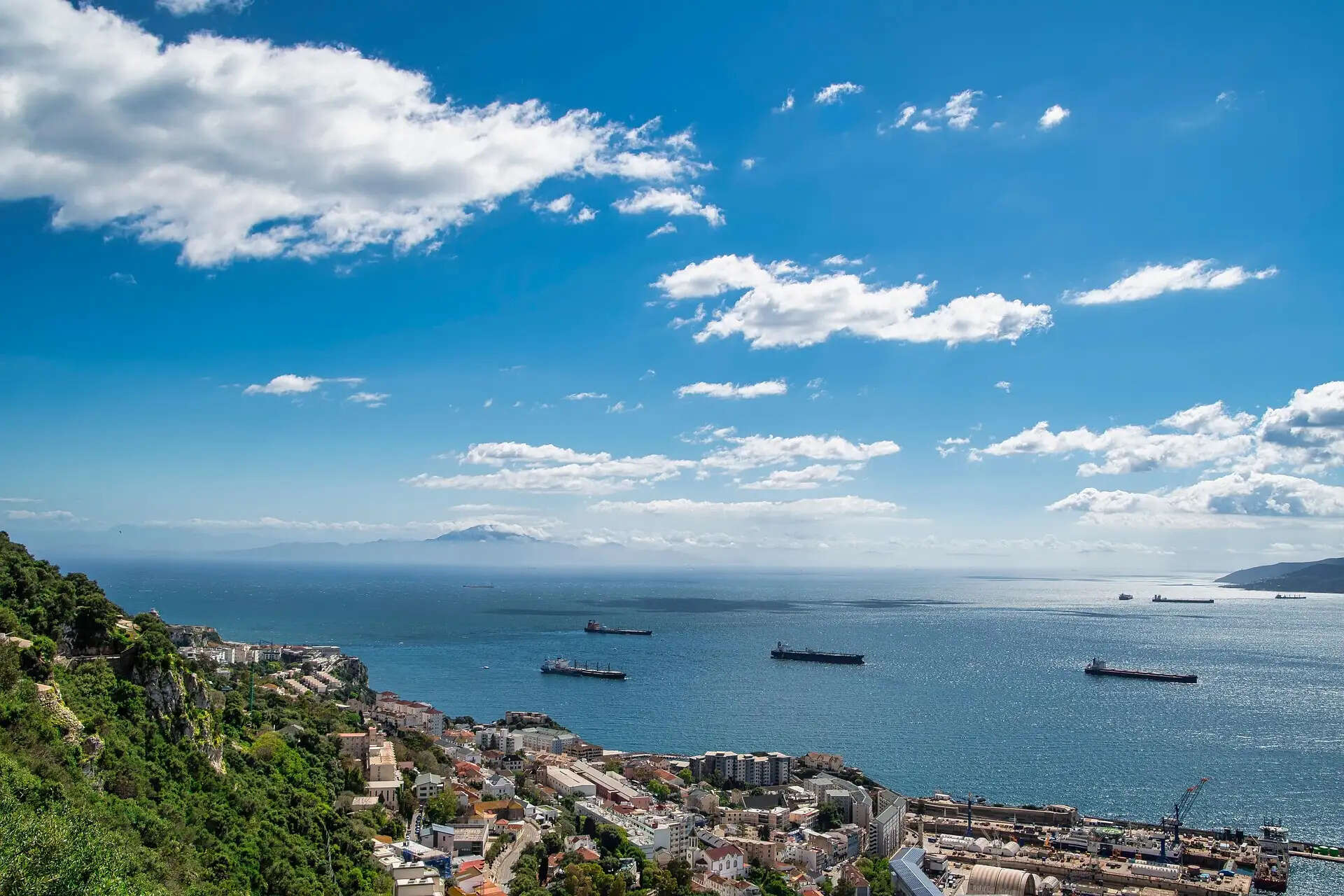
At first hearing, the Strait of Hormuz sounds refreshingly uncomplicated—just a neat passage connecting two bodies of water.
But that’s where the simplicity ends.
Situated between Iran and Oman, this slender corridor links the Persian Gulf to the Gulf of Oman. On a map, it may look like a straightforward line. In practice, it behaves more like a tightly coiled spring—always significant, occasionally tense, and never dull.
A Route the World Quietly Depends On
Day after day, a substantial share of the world’s oil supply passes through this narrow stretch. Tankers move with quiet precision, carrying energy that keeps homes lit, industries running, and economies in motion.
Natural gas shipments follow the same path, reinforcing the corridor’s importance. It is less a route and more a rhythm—steady, essential, and deeply woven into the fabric of global trade.
When this rhythm falters, even slightly, the effects are felt far beyond the water it occupies.
Narrow by Nature, Vast in Impact
What makes this passage remarkable is not just what flows through it, but how little space there is to do so. The navigable lanes are limited, requiring careful coordination and constant vigilance.
It is, in many ways, the world’s most consequential squeeze point—where scale meets constraint. A delay here is rarely just a delay; it becomes a ripple that travels across supply chains, markets, and timelines.
So much for anything being “straightforward.”
Where Geography Meets Theatre
The waters surrounding this corridor have long carried more than ships—they carry attention. Strategic interests, regional dynamics, and global observation converge here, making it one of those places where the world tends to look a little more closely.
What stands out is not just what happens, but how the possibility of change shapes perception. Even a hint of disruption can influence markets, reminding everyone how closely connected geography and economics truly are.
Few Detours, Many Dependencies
Alternatives exist, but none quite match the scale and efficiency of this route. For many nations—including India—this passage remains an essential link in the energy supply chain.
Which means its relevance doesn’t fade with time. It simply continues—quietly, persistently—doing its job while the world keeps a watchful eye.
The Straight That Never Was
The Strait of Hormuz offers a gentle lesson in expectations. Names may suggest ease, but reality often prefers complexity.
This narrow waterway, unassuming at first glance, holds an enduring influence over how energy moves, how markets respond, and how interconnected the world has become.
Not quite straight, never simple—and all the more important because of it.
