.jpg)
Hollywood's Biggest Directors Are Pushing Back Against AI?
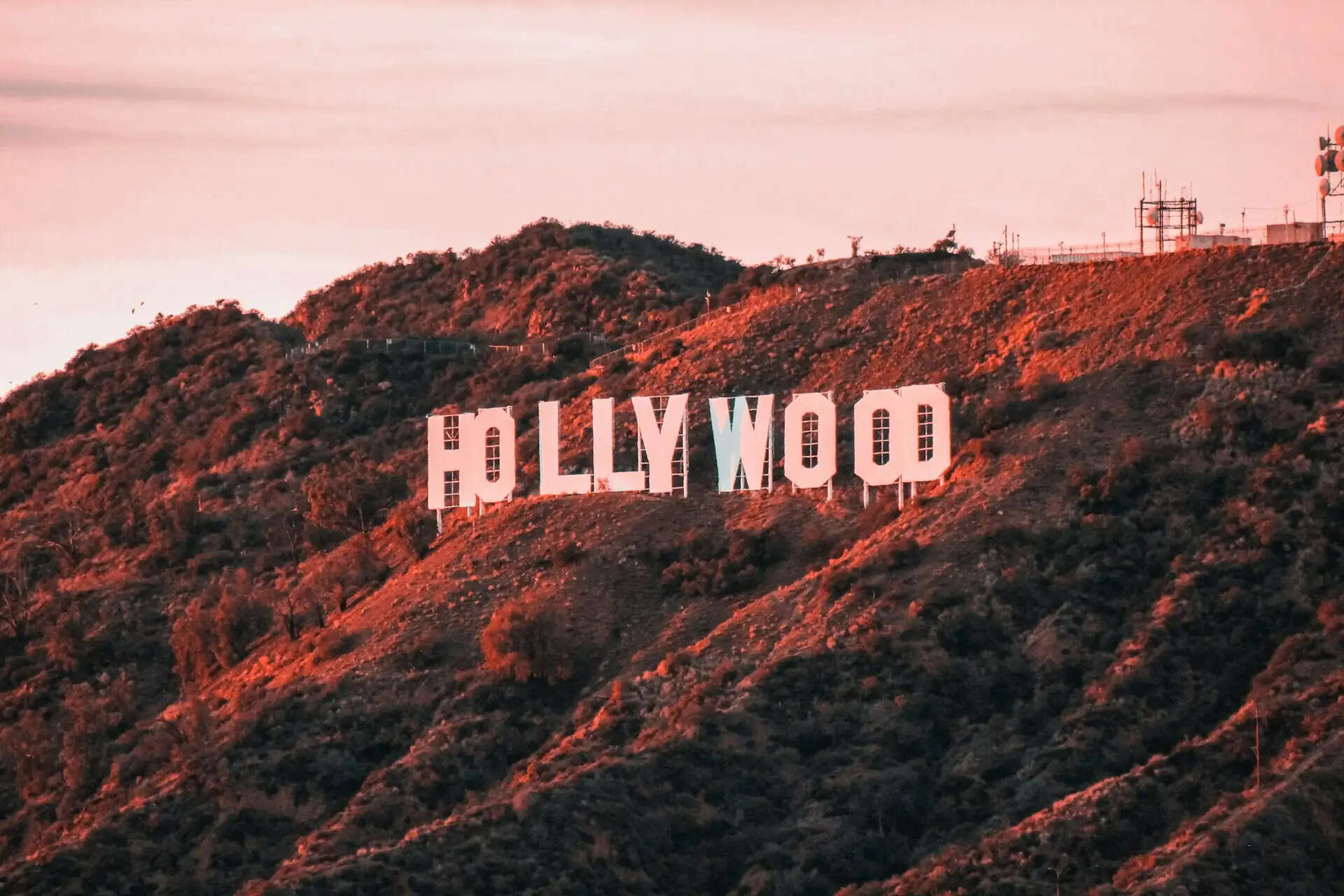
As generative AI races into nearly every corner of the entertainment industry, a growing number of Hollywood's most respected filmmakers are drawing a hard line. Their argument isn't really about efficiency or cost — it's about what they believe makes great art possible in the first place, and what gets lost if that process is automated away.
Guillermo del Toro: Protecting a Lineage of Craft
At the 2026 San Diego Comic Con, Guillermo del Toro revealed that the 3D rerelease of Pan's Labyrinth was completed through an entirely manual conversion process, involving roughly 1,000 artists hand-rotoscoping the film frame by frame.
Asked about the decision, del Toro was blunt: "Absolutely no goddamn AI," he said. He explained that the added time and cost were worth protecting something larger than any single project — describing the stakes as safeguarding an entire generation's ability to learn their craft, arguing that skipping that process would cut future filmmakers off from the history of the medium itself.
Christopher Nolan: A "Trojan Horse" Worth Questioning
Christopher Nolan has taken a more skeptical, cautionary tone — not dismissing AI outright, but urging scrutiny of both the technology and the motives behind those building it. In a July 2026 conversation, Nolan described AI as "a Trojan horse that everybody knows the Greeks are inside," and said he'd never witnessed a technology advance so quickly while being so broadly rejected by the public.
He's pointed specifically to younger audiences and filmmakers as leading that pushback, noting the rapid popularization of the term "AI slop" as evidence of how quickly Gen Z identifies and rejects synthetic content.
Nolan's own filmmaking philosophy — built around practical effects, real stunt work, and in-camera techniques — is reflected in his latest film, The Odyssey, which has grossed over $639 million worldwide since its July 2026 release.
Steven Spielberg: A Tool, Not a Replacement
Steven Spielberg has drawn a clearer, more specific boundary: AI as an assistive tool is acceptable to him, but AI replacing human creative judgment is not.
Speaking at SXSW in March 2026, Spielberg said he has never used AI in any of his films, pointing to his writers' rooms specifically — every seat occupied, no empty chair with a laptop standing in for a writer. His position, in his own words: "I am not for AI that replaces a creative individual."
Tim Burton: Losing the Soul in the Style
Tim Burton's concern centers less on process and more on feeling. After encountering AI-generated artwork imitating his distinctive visual style, Burton described the experience as unsettling, comparing it to old cultural beliefs that a photograph could steal a person's soul.
Even acknowledging that some of the AI-generated pieces were technically well-made, he said the experience felt like "a robot taking your humanity, your soul."
Bong Joon Ho: Humor With a Serious Edge
Bong Joon Ho, the Oscar-winning director of Parasite, has taken a more tongue-in-cheek approach publicly while still making his underlying concern clear.
Speaking at the 2025 Marrakech Film Festival, he joked about forming an organized effort specifically aimed at destroying AI, while offering a more serious observation underneath the humor: that AI's rise is finally forcing a real, overdue conversation about what only humans are capable of creating.
Celine Song: Defending What Makes Life Human
Past Lives director Celine Song framed her concerns in more philosophical terms at the same Marrakech festival, describing herself as genuinely worried about AI encroaching on the experiences that give life meaning.
As she put it, "The number one thing that we're here to defend as artists is humanity." Her broader point: artists exist not to make life easier or more convenient, but to capture what it actually feels like to live it.
Not Everyone Agrees
It's worth noting this isn't a unanimous industry stance. Martin Scorsese, for instance, has taken a notably different approach, joining AI company Black Forest Labs as an adviser and using its model to storyboard a scene for an upcoming film, framing cinema as a young medium that should remain open to evolving.
That split reflects a genuinely unresolved tension running through Hollywood right now — between filmmakers protecting a craft built on human judgment and lived experience, and those exploring how new tools might expand what's creatively possible.
The Bigger Picture
Whether skeptical, cautious, or openly opposed, the directors pushing back against AI share a common thread: a belief that filmmaking's value comes from human decision-making, accumulated craft, and lived experience — qualities they argue can't simply be automated, no matter how convincing the output becomes.
As the technology continues to advance, this debate is likely to keep shaping not just how films get made, but how audiences decide which films are worth their trust.
