.jpg)
How Frank Sinatra Became the 'Sound' of Italian Restaurants
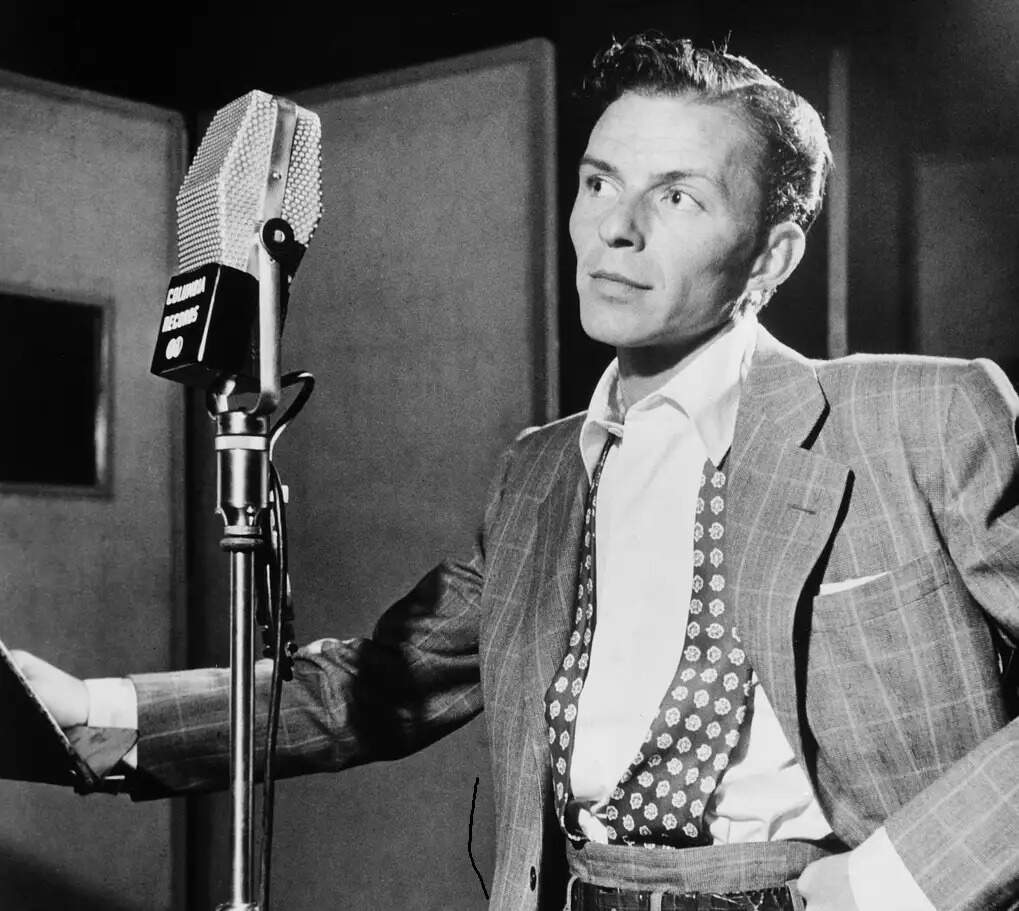
Walk into an old-school Italian restaurant almost anywhere in America, and there's a good chance you'll hear it within minutes: that unmistakable, smooth voice crooning over the clatter of plates and the smell of garlic and simmering tomato sauce.
Frank Sinatra's music has become almost as synonymous with Italian dining as pasta itself — and the reasons go deeper than simple coincidence.
An Italian-American Icon, Through and Through
Frank Sinatra was born Francis Albert Sinatra, the only child of Italian immigrant parents, and he wore that heritage proudly throughout his entire career.
His mother, Natalie "Dolly" Sinatra, was born in Lumarzo, in Italy's Liguria region, and even passed down her own marinara sauce recipe to her son — a recipe Sinatra reportedly made his own version of for years.
For many Italian-American families and restaurant owners, Sinatra isn't just a beloved singer; he's a symbol of their own cultural identity, a first-generation success story that resonated deeply within Italian-American communities across the country.
The Restaurants Sinatra Actually Loved
Sinatra wasn't just associated with Italian food in a general, symbolic sense — he had genuine, well-documented favorite spots. In Hoboken, New Jersey, his hometown, Leo's Grandevous has been serving Italian classics since 1939 and remains closely tied to Sinatra's legacy, with the walls lined in his photographs and the jukebox still playing his music today.
In Manhattan, Patsy's Italian Restaurant was one of his favorites, and its walls are similarly filled with Sinatra memorabilia. Out west, Sinatra frequented Piero's in Las Vegas whenever he craved Italian food, and the Purple Room in Palm Springs became known as one of his favorite places to perform live, an establishment he affectionately referred to as his "saloon."
That personal, documented connection between Sinatra and specific Italian restaurants across the country helped cement the association in the public imagination — and gave many other Italian restaurant owners a template to follow, whether or not Sinatra himself ever walked through their doors.
Nostalgia Is the Real Engine
Beyond Sinatra's personal ties to Italian cuisine, there's a broader emotional logic at play.
Italian dining, especially in classic, family-run restaurants, centers heavily on nostalgia, tradition, and multigenerational connection — shared, family-style meals meant to evoke a sense of home and belonging.
Sinatra's music, along with that of fellow Italian-American crooners like Dean Martin, Tony Bennett, Louis Prima, and Frankie Valli, taps directly into that same emotional register: warm, romantic, unhurried, and steeped in a sense of old-world charm.
Played softly over dinner, that music does real work for the atmosphere of a restaurant. It signals authenticity and tradition before a single dish arrives at the table, cueing guests — consciously or not — into a particular mood: relaxed, sentimental, a little bit timeless. Some restaurants take the connection even further, like Casa De Pizza in Granada Hills, California, which displays extensive Sinatra memorabilia and has entire spaces dedicated to "The Chairman of the Board."
A Soundtrack That Sells an Experience
For many diners, the appeal isn't really about analyzing why the music is playing — it's about how it makes the meal feel. A plate of pasta covered in slow-simmered tomato sauce, accompanied by the sound of "Come Back to Sorrento" or "Fly Me to the Moon" drifting through the room, creates a sensory experience that reaches well beyond taste alone.
It's atmosphere as much as sound: a shortcut to warmth, hospitality, and the feeling of being welcomed into someone's family table rather than simply seated at a restaurant.
The Takeaway
Frank Sinatra's music shows up in Italian restaurants for a genuinely layered set of reasons — his own proud Italian-American identity, real documented history with specific beloved restaurants, and the way his voice fits perfectly into the nostalgic, family-centered mood so many Italian dining rooms are built around.
It's a small but deliberate detail, and like a lot of the best hospitality choices, it works precisely because most diners never stop to question why it feels so right.
