.jpg)
6 Foods That May Help Lower 'Bad' Cholesterol Levels
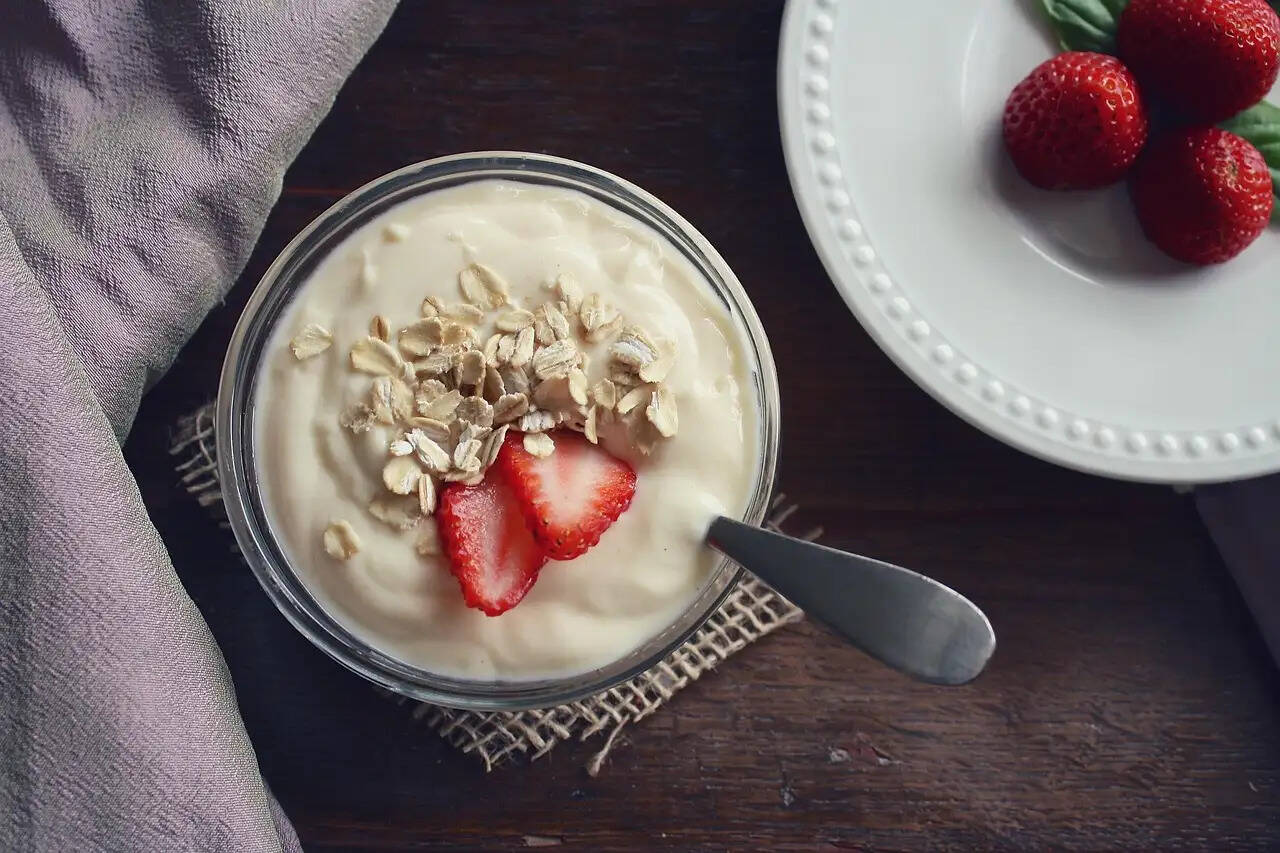
High LDL cholesterol — often called "bad" cholesterol because it contributes to plaque buildup in the arteries — doesn't have to be managed by medication alone. While no single food acts as a magic fix, a growing body of research shows that certain everyday foods can meaningfully move the needle when eaten consistently as part of an overall diet. Here are six worth knowing about.
1. Oats
Oats are often the first food mentioned in any cholesterol conversation, and for good reason. They're rich in a specific type of soluble fiber called beta-glucan, which forms a gel-like substance in the digestive tract that traps cholesterol and helps carry it out of the body before it's absorbed into the bloodstream.
Research has found that consuming around 3 grams of beta-glucan daily — roughly the amount in one to two servings of oatmeal — can meaningfully reduce LDL cholesterol, though consuming more than that doesn't appear to add much extra benefit.
2. Legumes
Beans, lentils, and chickpeas are another strong source of soluble fiber, working through the same cholesterol-trapping mechanism as oats. Beyond fiber, legumes are naturally low in saturated fat and high in plant protein, making them a useful substitute for higher-fat animal proteins in a cholesterol-conscious diet. Their effect tends to compound when eaten regularly rather than occasionally, since soluble fiber's cholesterol-lowering benefit is dose-dependent over time.
3. Nuts
Almonds, walnuts, and other tree nuts contain a combination of unsaturated fats, fiber, and plant sterols — naturally occurring compounds that resemble cholesterol closely enough to block some of its absorption in the gut. The American Heart Association and other major health bodies generally recommend a small daily handful, since nuts are calorie-dense; portion size matters more here than with lower-calorie options like legumes or vegetables.
4. Fatty Fish
Salmon, mackerel, and sardines are rich in omega-3 fatty acids, which primarily help by lowering triglycerides and supporting overall cardiovascular health, alongside more modest effects on LDL cholesterol itself. Nutrition guidelines commonly suggest replacing red or processed meat with fatty fish a couple of times a week as part of a broader heart-healthy eating pattern, rather than relying on fish alone to move LDL numbers significantly.
5. Fruits
Apples, pears, citrus fruits, and berries are all good sources of pectin, a type of soluble fiber that works the same way as the fiber in oats and legumes — forming a gel in the digestive tract that binds to cholesterol and helps remove it from the body before it's absorbed.
Citrus fruits and berries also bring a strong dose of polyphenols and antioxidants, compounds that have been separately linked to improved cholesterol profiles and reduced oxidative damage to LDL particles, which is part of what makes LDL cholesterol more likely to contribute to artery plaque in the first place. Eating fruit whole, with the skin on where possible, generally preserves more fiber than juicing.
6. Avocados
Avocados bring a combination of monounsaturated fat and soluble fiber, along with a modest natural sterol content, to the table. Unlike saturated fats, which tend to raise LDL cholesterol, the unsaturated fat in avocados is more commonly associated with improving the overall cholesterol profile, including a favorable effect on the ratio between LDL and HDL ("good") cholesterol, when used to replace less healthy fats in the diet rather than simply added on top of them.
Why No Single Food Does It Alone
It's worth being realistic here: none of these foods functions as a standalone cure, and their effects are generally modest individually. Where the real benefit tends to show up is in combination — eating several of these foods consistently, alongside cutting back on saturated fat, processed foods, and red or processed meat, tends to produce a noticeably larger effect than any single addition on its own.
This layered approach, sometimes called a "dietary portfolio," has performed comparably to some cholesterol medications in certain clinical studies when followed closely.
As always with cholesterol management, dietary changes work best alongside regular medical checkups — especially for anyone with significantly elevated LDL levels or existing heart disease risk factors, where a doctor can help determine whether diet alone is enough or whether medication should be part of the plan too.
Medical Disclaimer: The information and reference materials contained here are intended solely for the general information of the reader. Patients and consumers should review the information carefully with their professional health care provider. The information is not intended to replace medical advice offered by physicians. You should consult your physician or fitness trainer, before beginning a new diet, nutritional or fitness program. The publisher or its management do not claim responsibility of this information.
