
Allspice: One Spice, Many Health Benefits
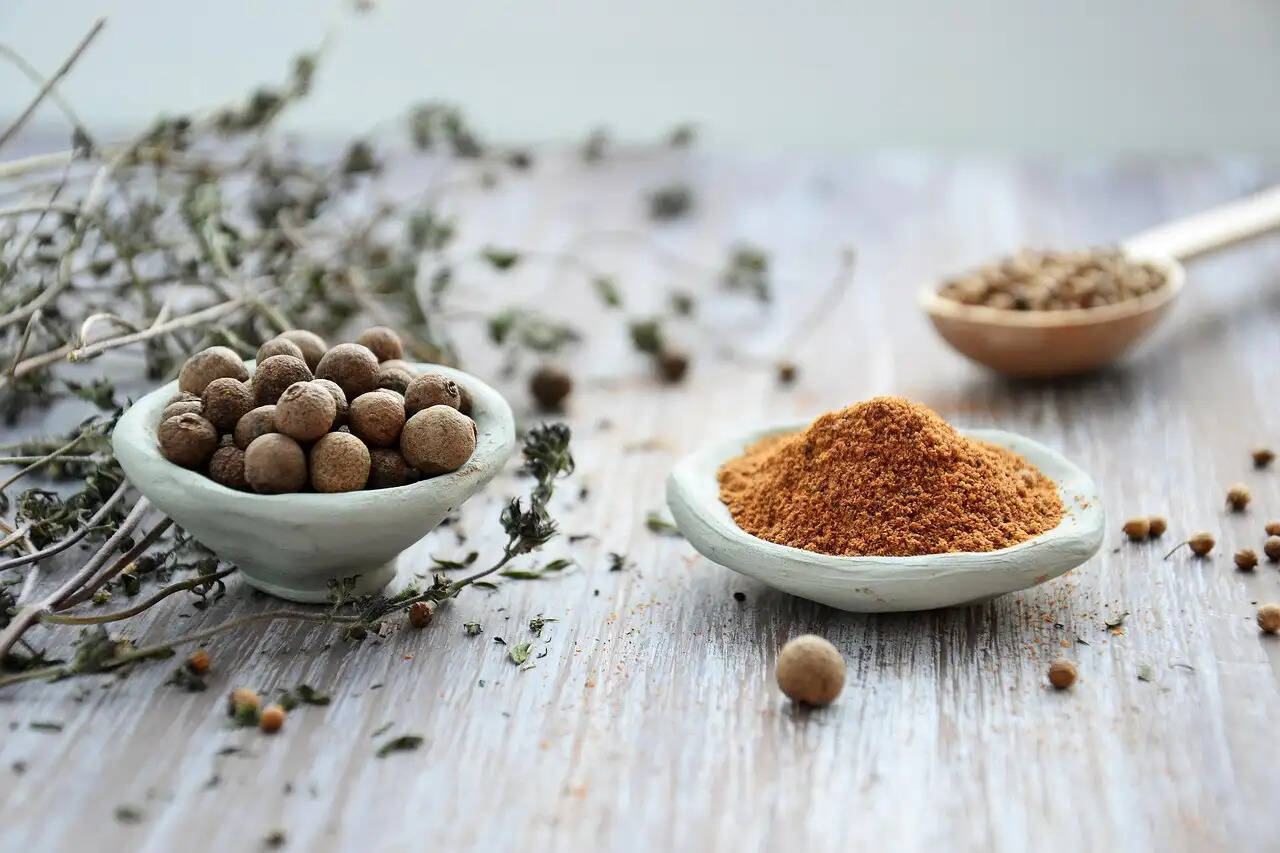
Tucked away in most spice racks could be a small brown berry that deserves far more attention than it gets. Allspice is the dried, unripe fruit of Pimenta dioica, an evergreen tree native to the Caribbean and Central America.
It earned its name because its aroma seems to blend several spices at once: cinnamon, clove, nutmeg and a hint of black pepper. Cooks prize it for Jamaican jerk seasoning, Middle Eastern stews, pickles and holiday baking, but this humble spice may also offer some genuine benefits for your health.
A Concentrated Source of Antioxidants
Allspice is rich in plant compounds that act as antioxidants, most notably eugenol, along with quercetin, gallic acid and various tannins. Antioxidants help neutralize free radicals, unstable molecules that can damage cells over time and contribute to ageing and chronic disease.
While a pinch of spice will not transform your health on its own, regularly seasoning meals with antioxidant-rich spices like allspice is an easy way to raise the overall protective value of your diet.
Gentle Support for Digestion
For generations, allspice has been used in traditional remedies to ease bloating, gas and mild stomach discomfort. Its warming compounds are thought to encourage the release of digestive enzymes and soothe the gut. A warm cup of water steeped with a few crushed berries after a heavy meal remains a popular home remedy in the Caribbean.
Natural Anti-Inflammatory and Soothing Effects
Eugenol, the same compound that gives cloves their medicinal reputation, has mild pain-relieving and anti-inflammatory properties. This is why allspice has long been used in folk medicine for toothaches, sore muscles and aching joints. Laboratory studies support the idea that its extracts can dampen certain inflammatory pathways, although more research in humans is needed.
Antimicrobial Power
Before refrigeration, allspice was used to help preserve meat, and science suggests there was good reason for this. Research has shown that allspice extracts and essential oil can inhibit the growth of several bacteria and fungi, including some associated with food spoilage. Adding it to marinades and pickles therefore contributes more than flavour alone.
Possible Help with Blood Sugar?
Early laboratory and animal research suggests that some compounds in allspice may help the body manage blood sugar levels. These findings are preliminary, and allspice is not a substitute for medical treatment, but it is a promising area of study and another reason to enjoy it as part of a balanced diet.
Easy Ways to Enjoy Allspice
Incorporating allspice into your meals is simple. Try these ideas:
- Stir a pinch into oatmeal, smoothies or baked apples.
- Add whole berries to soups, curries, rice dishes and pot roasts.
- Use it in spice rubs for chicken, fish or roasted vegetables.
- Brew it with tea, mulled cider or hot cocoa for a warming drink.
Whole berries keep their flavour much longer than the ground spice, so buy them whole and grind small amounts as needed.
A Note of Caution
In the amounts used for cooking, allspice is safe for most people. Concentrated supplements and essential oils are a different matter and should be used only with professional advice. Because eugenol may affect blood clotting, people taking blood-thinning medication or preparing for surgery should speak to their doctor before consuming large quantities.
Conclusion
Allspice proves that good things come in small packages. With its antioxidant compounds, digestive support and natural antimicrobial qualities, it adds both depth of flavour and a little extra wellness to everyday meals. Next time you cook, reach for this versatile spice and let your kitchen do double duty as a source of health.
Medical Disclaimer: The information and reference materials contained here are intended solely for the general information of the reader. One should consult a qualified nutritionist and/or your physician for advice and before beginning a new diet, nutritional or fitness program. The publisher or its management do not claim responsibility of this information.
