.jpg)
Are Emotions and Feelings the Same Thing?
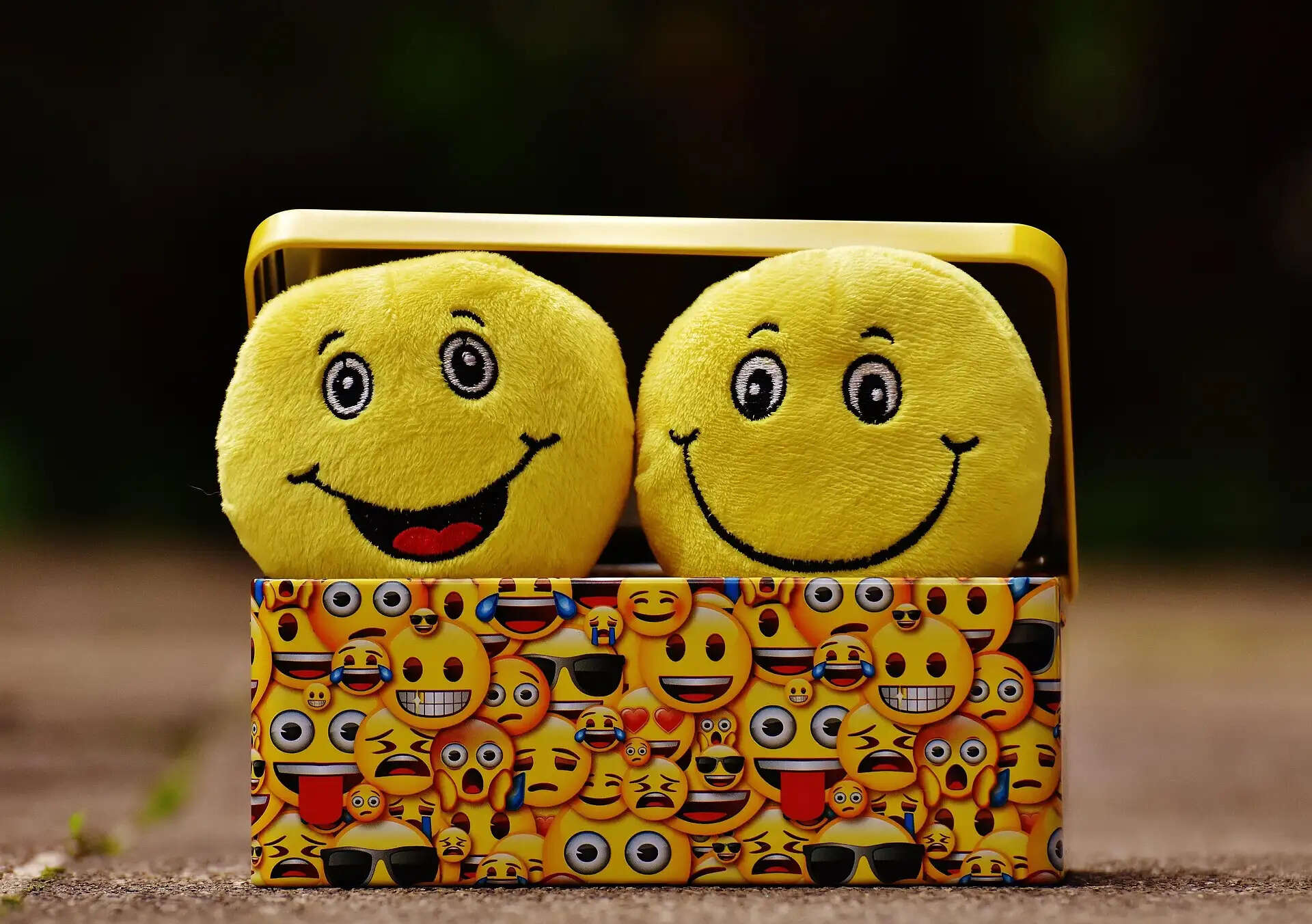
Most of us use "emotion" and "feeling" as if they're the same word wearing two different outfits. Say you're anxious, and you might describe it either way without a second thought. But psychologists draw a real, meaningful line between the two — and understanding it can change how you handle stress, conflict, and even everyday decision-making.
The body speaks first
Emotions begin in the body. A racing heart, a tight chest, a knot in your stomach — these physical sensations are your nervous system reacting to something happening right now, before your conscious mind has fully caught up. They're raw, fast, and largely involuntary, similar to a reflex.
Feelings come afterward. They're what happens when your brain takes that raw bodily sensation and attaches a story, a label, or an interpretation to it. Two people can experience the exact same emotional sensation — a tight chest, quickened breath — walking into a crowded party, and land on completely different feelings. One interprets it as awkwardness because they don't know anyone in the room. The other interprets the identical sensation as excitement because they're about to meet new people. Same emotional data, two very different feelings, shaped entirely by perspective.
Why the distinction actually matters
Think of emotions as the engine of a car, and feelings as the dashboard display. The engine tells you what's actually happening mechanically, in real time. The dashboard is useful, but it's an interpretation layer — and interpretation layers can be wrong, outdated, or distorted by old assumptions.
Feelings can get tangled up with stories from your past or fears about your future that have little to do with what's actually happening in front of you. Someone who was frequently criticized as a child might feel deep shame after a fairly gentle piece of feedback at work — not because the feedback itself was harsh, but because an old emotional pattern got activated. The bodily emotion (a flush of heat, a drop in the stomach) was real and immediate. The feeling built on top of it — "I'm incompetent," "I always mess up" — is a story, and stories can be inaccurate.
This is also why the same threat can produce wildly different feelings in different people. Someone prone to defensiveness might respond to criticism with anger, because anger feels more powerful than admitting vulnerability. Someone else might respond to the identical situation with quiet intimidation. Neither reaction is "wrong" — but neither is necessarily an accurate read of the actual situation either.
Building the habit of checking in with your body
The practical value of this distinction is that emotions, being closer to raw data, tend to be more trustworthy than the feelings and stories layered on top of them. When you're overwhelmed by a feeling — dread, resentment, panic — it can help to trace it backward to the physical sensation underneath it: Where do I feel this in my body? What is it actually doing right now — tightening, racing, sinking?
From there, a few grounding questions can help separate signal from static:
What am I sensing physically, right now, in this exact moment? What label or story am I putting on top of that sensation? Is that story about what's happening right now — or about something older?
For people who tend to intellectualize everything, working in reverse can help too: start with the named feeling, then ask what evidence exists for it in the body. If you say you're "furious," check — is your jaw actually clenched, is your chest actually hot? Sometimes the label outpaces the physical reality entirely, a sign the feeling may be running more on story than sensation.
The payoff of emotional awareness
None of this is about suppressing feelings or pretending stories don't matter — narratives are part of being human. But learning to separate the immediate, physical emotion from the interpretive feeling built on top of it gives you a choice point you didn't have before: the ability to pause, notice what's actually happening in your body, and decide whether the story your mind is telling you is the most accurate one available — or just the most familiar one.
That small gap between sensation and interpretation is where genuine self-regulation lives. It's the difference between being swept along by a feeling and being informed by an emotion — and over time, it's a skill, not a personality trait, which means it can be practiced and strengthened like any other.
