
Berry Smoothies Face An Unexpected Banana Twist
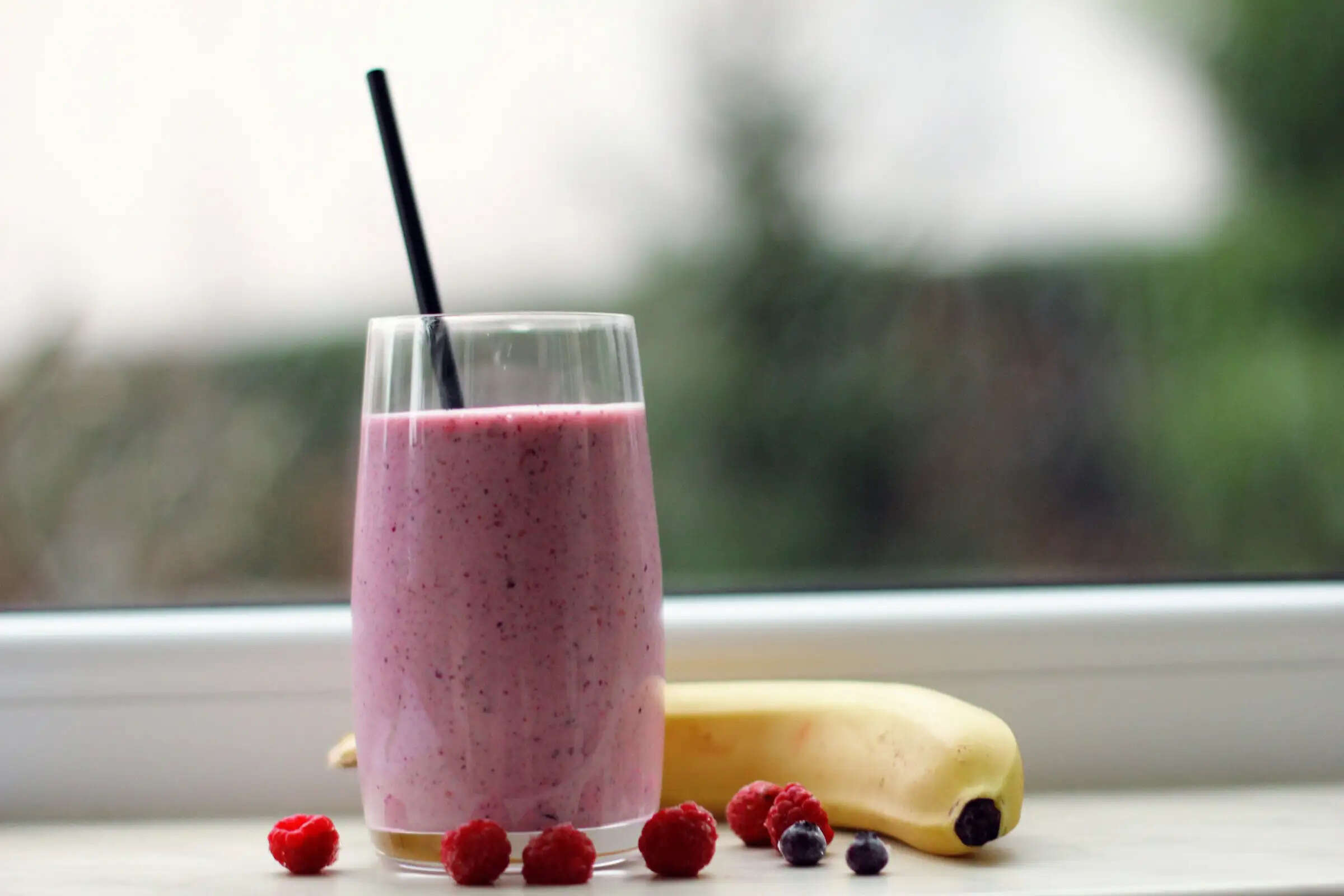
A Breakfast Favorite Gets a Nutritional Surprise
Smoothies are often seen as the easiest shortcut to healthy eating. Toss some berries, yogurt, and a banana into a blender, and breakfast is ready in minutes. But new nutrition findings suggest this popular fruit combo may come with an unexpected catch.
Researchers recently discovered that adding bananas to berry smoothies could sharply reduce the body’s ability to absorb flavanols — natural plant compounds linked to heart health, circulation, and brain function. The finding highlights how certain healthy foods may interact differently once blended together.
The Enzyme Behind the Mystery
The surprising effect is connected to an enzyme called polyphenol oxidase, or PPO. This enzyme is responsible for the browning reaction seen when fruits like bananas and apples are sliced and exposed to air.
Scientists found that bananas contain high PPO activity, while berries contain much lower levels. Because flavanols are sensitive compounds, researchers wanted to see whether this enzyme could affect how much of these nutrients the body actually absorbs.
To test the idea, participants consumed different smoothie combinations, including berry smoothies, banana smoothies, and a flavanol-rich control drink.
The Results Were Hard to Ignore
The difference turned out to be significant. People who drank banana-based smoothies showed dramatically lower flavanol absorption compared to those who consumed berry-only blends.
Researchers were surprised by how quickly the banana appeared to reduce flavanol availability. Additional testing also suggested the interaction may continue during digestion, meaning the enzyme could remain active even after the smoothie is consumed.
The study focused on a small group of participants, but the findings still offered an important reminder that nutrition depends not only on what people eat, but also on how ingredients work together.
Bananas Are Still Healthy
Experts are not suggesting people stop eating bananas. The fruit remains a strong source of potassium, fiber, and natural energy. Instead, the research simply indicates that bananas may not be the best partner for flavanol-rich foods when the goal is maximizing those compounds.
For people looking to preserve more flavanols in smoothies, ingredients such as mango, pineapple, oranges, or yogurt may work better alongside berries, grapes, apples, or cocoa.
Your Blender Might Be Doing More Than Mixing
Flavanols continue to attract attention for their possible role in supporting blood flow, heart wellness, and cognitive health. The latest smoothie research also suggests that preparation methods and ingredient pairings may influence how effectively these compounds work inside the body.
The bigger takeaway is refreshingly simple: healthy eating is not only about individual ingredients. Sometimes, the combinations inside the blender can quietly change the final nutritional payoff.
