.jpg)
Can Cold Compresses Reduce Eye Puffing?
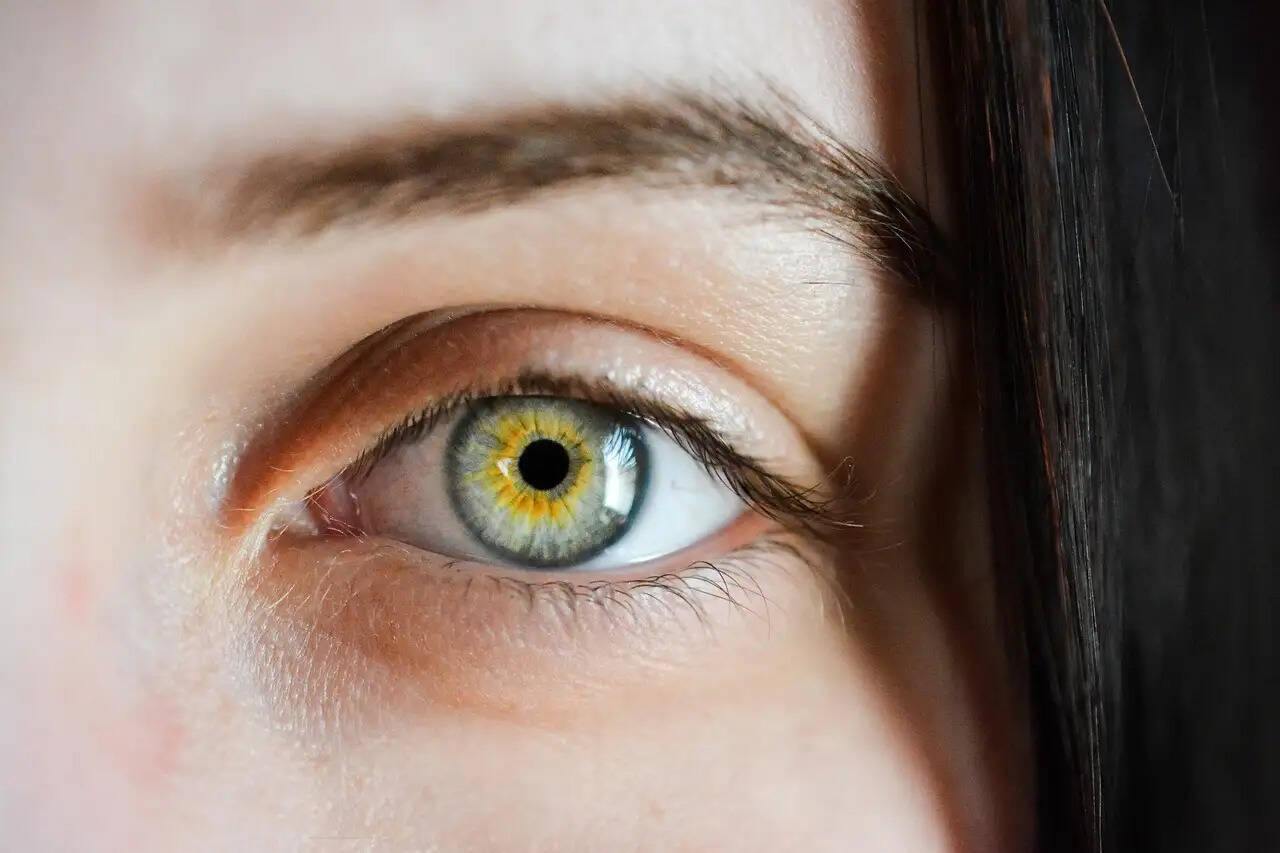
Cold compresses are one of the few home remedies for puffy eyes that actually holds up scientifically, though it's worth understanding exactly what they do and don't fix.
Why Cold Actually Works
Puffiness around the eyes typically comes down to fluid buildup and mild inflammation in the thin, delicate skin of the under-eye area. Cold temperatures trigger vasoconstriction — a narrowing of blood vessels — which reduces blood flow to the area and helps limit how much fluid accumulates in the surrounding tissue.
It's the same basic principle behind icing a bruise or a sports injury, just applied to a much more sensitive part of the face. The cooling effect also has a mild numbing action on nerve endings, which is part of why a cold compress tends to feel immediately soothing, not just visually helpful.
What It Can — and Can't — Fix
Cold compresses are genuinely effective for temporary, fluid-based puffiness: the kind that shows up after a poor night's sleep, a salty meal, allergies, crying, or too many hours staring at a screen. In these cases, reducing blood flow and easing inflammation can noticeably de-puff the area within minutes.
Where cold compresses fall short is with puffiness or dark circles caused by structural or pigmentation-related factors — things like under-eye fat pad protrusion that naturally increases with age, genetics, or discoloration from pigmentation rather than swelling.
In these cases, a cold compress may offer some temporary tightening and comfort, but it won't meaningfully change the underlying cause. It's a relief tool, not a treatment for the root issue.
How to Use One Properly
The method matters more than people often assume. A few practical guidelines:
- Keep it cold, not icy. A chilled, damp cloth is generally more comfortable and just as effective as ice directly on the skin, which risks irritating this especially thin, sensitive area.
- Limit sessions to 5–10 minutes. Longer isn't better — extended exposure to intense cold can irritate the skin without adding extra benefit, and using ice directly for too long risks minor cold-related skin damage.
- Avoid direct pressure. Rest the compress gently over closed eyes rather than pressing firmly, since pressure on this area can worsen puffiness rather than help it.
- Repeat as needed. Two to three short sessions a day is a commonly recommended approach for ongoing puffiness, rather than one long session.
Common household options work just as well as specialty products: a clean cloth chilled in the fridge, a gel eye mask, a cold spoon, or even chilled, used tea bags — green tea in particular adds a mild dose of antioxidants alongside the cooling effect, and the gentle weight of the tea bag provides a light compression benefit too.
When to Look Beyond a Cold Compress
If puffiness is persistent, worsening, or paired with other symptoms like pain, vision changes, or redness that doesn't improve, that's a sign to look past home remedies and speak with a doctor or eye care professional, since those symptoms can point to allergies, infection, or other conditions that need proper diagnosis and treatment rather than a temporary fix.
The Takeaway
A cold compress is a legitimate, science-backed way to reduce mild, fluid-related eye puffiness — cheap, fast, and genuinely effective for the kind of puffiness most people deal with occasionally.
Just keep expectations realistic: it calms visible swelling in the moment, but it isn't a long-term solution for puffiness rooted in genetics, aging, or an underlying medical cause.
Medical Disclaimer: The information and reference materials contained here are intended solely for the general information of the reader. Patients and consumers should review the information carefully with their professional health care provider. The information is not intended to replace medical advice offered by physicians. You should consult your physician or fitness trainer, before beginning a new diet, nutritional or fitness program. The publisher or its management do not claim responsibility of this information.
