
Meet the Tepary Bean: The Ancient Superfood That Thrives Where Nothing Else Grows
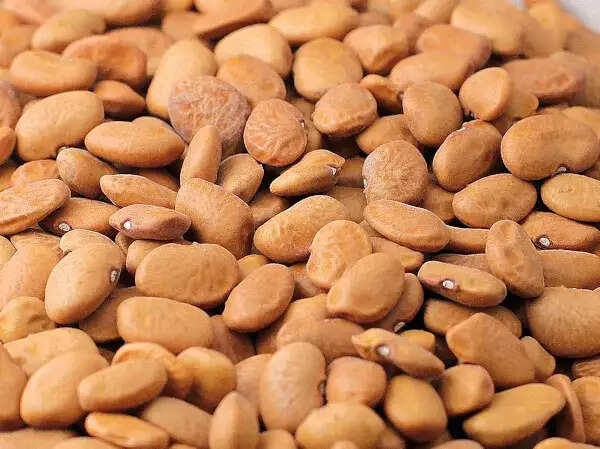
Most of us know kidney beans, chickpeas and black beans. Far fewer have heard of the tepary bean, a small, tough legume that has fed people in one of the hottest, driest places on earth for thousands of years. As interest grows in foods that are both nourishing and climate-friendly, this humble bean is finally getting the attention it deserves.
A Bean Built for the Desert
Tepary beans (Phaseolus acutifolius) are native to the Sonoran Desert, which stretches across parts of the southwestern United States and northwestern Mexico. Indigenous communities, especially the Tohono O’odham people, have grown them for centuries. Their name for the bean is often said to mean “it is a bean.”
What makes them remarkable is how little they need. Tepary beans tolerate intense heat and very little water, and they still produce a reliable harvest where many crops would fail. That resilience is why researchers now see them as a promising crop for a warming world.
The beans are small, about the size of a pea, and come in white, tan, brown and speckled varieties. White ones taste mild and slightly sweet; darker ones are earthier and richer.
Packed With Plant Protein
Like other beans, tepary beans are an excellent source of plant-based protein. Many varieties carry slightly more protein than common beans, which makes them a smart pick for vegetarians, vegans, or anyone trying to eat less meat without losing satisfaction at mealtimes.
Rich in Fibre for Better Digestion
Tepary beans are loaded with dietary fibre. Fibre keeps digestion regular, feeds the friendly bacteria in your gut and helps you feel full for longer. That lasting fullness can make weight management feel easier because you’re less likely to snack between meals.
Gentle on Blood Sugar
One of the most talked-about benefits is the bean’s low glycemic index. Because tepary beans release energy slowly, they are less likely to cause sharp spikes in blood sugar. This has drawn interest from people managing diabetes, and some health advocates in Indigenous communities have encouraged a return to traditional foods like tepary beans as part of healthier eating. They aren’t a cure, but they can be a useful part of a balanced diet.
Minerals That Matter
Tepary beans also provide useful amounts of iron, magnesium, potassium, calcium and zinc. These minerals support energy levels, muscle and nerve function, healthy bones and steady blood pressure. Their fibre and potassium together make them a heart-friendly choice too.
How to Enjoy Them
Tepary beans are firmer than most beans, so soak them overnight and allow extra cooking time, often one to two hours, until tender. They hold their shape well, which makes them great in soups, stews, salads, chili and bean bowls. They can also be mashed into dips or cooked like dal with spices, onion and tomato.
The Bottom Line
Tepary beans prove that good food can be both ancient and forward-looking. They offer protein, fibre, steady energy and essential minerals, and they are grown with remarkably little water. If you spot them at a specialty store or online, they’re well worth a place in your kitchen.
Medical Disclaimer: The information and reference materials contained here are intended solely for the general information of the reader. One should consult a qualified trainer and your physician for advice and before beginning a new diet, nutritional or fitness program. The publisher or its management do not claim responsibility of this information.
Image credit: happyacres.blog
