
Protein Intake Explained
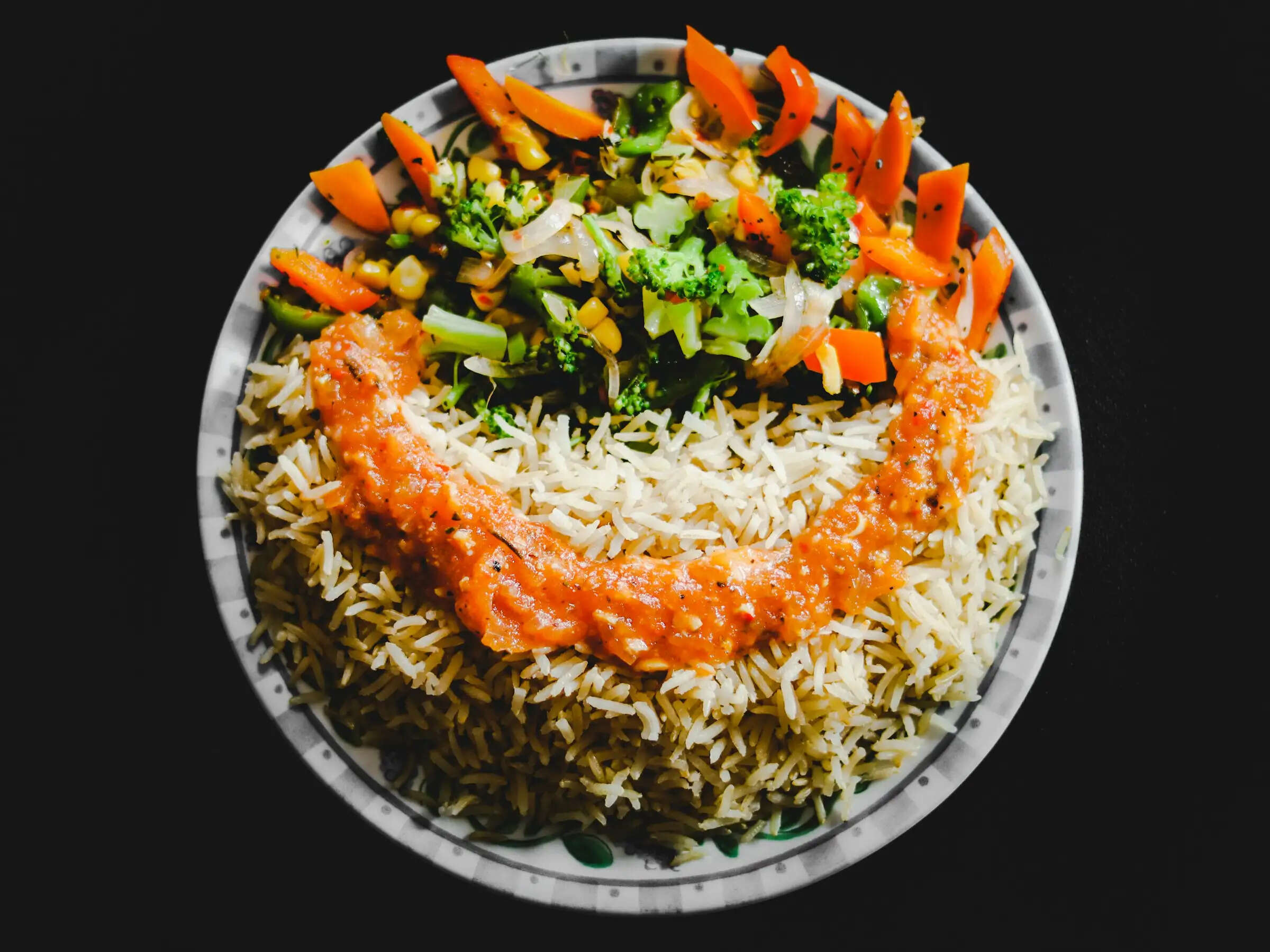
Protein Remains a Major Nutrition Focus
Protein has become one of the most discussed nutrients in modern wellness culture. Fitness trends, diet plans, and health influencers frequently encourage people to increase their protein intake for better energy, recovery, and muscle strength.
The nutrient is essential for the body because it helps repair tissues, supports muscle function, and assists in creating new cells. However, nutrition experts also point out that consuming more protein than necessary does not always provide additional health benefits.
Daily Protein Needs Differ From Person to Person
Health recommendations suggest that protein should make up a reasonable portion of a person’s daily calorie intake. A commonly used guideline recommends about 0.8 grams of protein per kilogram of body weight for adults.
For example, a person weighing around 68 kilograms may need approximately 50 to 55 grams of protein daily. However, many nutrition professionals suggest slightly higher amounts for people who are physically active.
Protein requirements can vary depending on lifestyle, age, exercise habits, pregnancy, and personal health goals. Individuals who regularly exercise or participate in strength training often require more protein than sedentary adults.
Estimating the Right Protein Intake
One commonly used method for estimating protein intake involves changing body weight measurements from pounds into kilograms using a standard conversion formula. The converted figure can then be adjusted according to a person’s activity level.
Sedentary individuals may aim for 0.8 grams per kilogram, while moderately active people may require around 1 gram. Those involved in regular workouts or intense physical activity may benefit from 1.3 to 1.6 grams per kilogram of body weight.
Experts stress that these calculations are broad estimates and not strict rules. Personalized nutritional advice from a healthcare professional remains the safest approach.
Protein Alone Cannot Build Muscle
Many people increase protein intake to gain muscle mass, but nutrition experts say exercise is equally important. Regular strength-focused activities and physical training allow the body to better utilize protein for repairing and developing muscle tissue.
For muscle-building goals, protein intake is often recommended at roughly 1.2 grams per kilogram of body weight or higher, depending on activity levels and training intensity.
Protein Sources Extend Beyond Meat
Although meat and dairy are widely associated with protein, plant-based foods can also contribute significantly to daily intake. Beans, lentils, peas, nuts, seeds, and chickpeas are considered valuable protein sources.
Many everyday foods contain moderate amounts of protein that add up throughout the day. Eggs, peanut butter, cottage cheese, broccoli, peas, and sweet potatoes all contribute to overall intake.
Nutrition experts say many adults may already be consuming adequate protein without carefully tracking every meal.
Excessive Protein Intake May Carry Risks
While occasional high-protein meals are generally not harmful, consistently excessive intake may create health concerns for some individuals. Diets heavily focused on red meat and saturated fats have been linked to increased risks associated with heart health, kidney stones, and digestive conditions.
Experts also note that protein quality matters. Diets rich in plant-based protein sources may support healthier long-term outcomes compared to diets dominated by heavily processed or fatty animal products.
Most health professionals recommend balance and moderation instead of extreme protein consumption, especially for people who are not professional athletes or bodybuilders.
Medical Disclaimer: The information and reference materials contained here are intended solely for the general information of the reader. Patients and consumers should review the information carefully with their professional health care provider. The information is not intended to replace medical advice offered by physicians. You should consult your physician before beginning a new diet, nutritional or fitness program. The publisher or its management do not claim responsibility of this information.
