.jpg)
What Is Menopause? Common Questions, Symptoms, and What to Expect
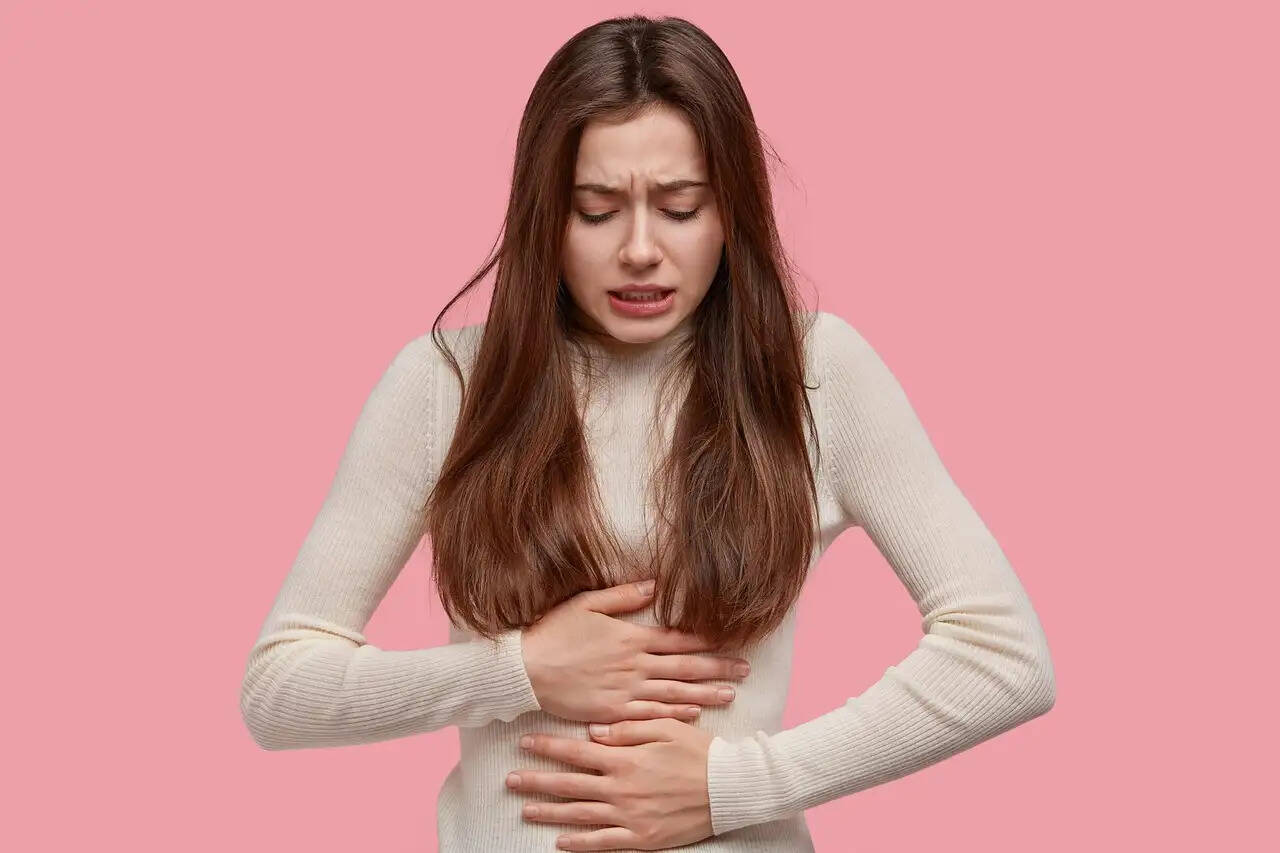
Menopause is a natural biological transition every woman who lives long enough will eventually go through, yet it remains one of the least openly discussed stages of life. Here's a clear, straightforward look at what it actually is, the symptoms it brings, and the questions people ask most.
What Is Menopause, Exactly?
Menopause is officially defined as the point when a woman has gone 12 consecutive months without a menstrual period, marking the end of her reproductive years. It typically happens in the late 40s to early 50s, though the exact timing varies significantly from person to person.
It isn't a single event so much as the tail end of a longer hormonal transition — the ovaries gradually produce less estrogen and progesterone, eventually stopping the release of eggs altogether.
The Three Stages: Perimenopause, Menopause, and Postmenopause
Perimenopause is the transitional period leading up to menopause, often starting in a woman's 40s, though it can begin earlier. During this stage, estrogen levels start fluctuating and gradually declining, triggering many of the symptoms people associate with menopause — even though a period may still be occurring, just irregularly. Recent clinical guidance also emphasizes that perimenopause should be considered even in women without obviously typical symptoms, since irregular cycles alone — outside the normal 21 to 35 day range — can be an early sign.
Menopause itself refers specifically to that single milestone: 12 months without a period.
Postmenopause covers all the years afterward. Some symptoms ease during this stage, while certain health risks — including osteoporosis and cardiovascular disease — become more relevant due to sustained lower estrogen levels.
Common Symptoms
Symptoms vary widely from person to person, both in which ones appear and how intensely, but commonly reported experiences include:
- Irregular periods, followed eventually by periods stopping altogether
- Hot flashes and night sweats (known collectively as vasomotor symptoms)
- Sleep disruption
- Mood changes, including increased anxiety or low mood
- Vaginal dryness and discomfort during sex
- Decreased libido
- Memory and concentration difficulties, sometimes described as "brain fog"
- Joint and muscle aches
- Fatigue
- Changes in skin and hair texture
It's worth highlighting one point clinicians increasingly stress: while hot flashes and night sweats are the most commonly recognized symptoms, psychological symptoms like mood changes and cognitive difficulties are also extremely common, yet frequently overlooked or misattributed to other causes, sometimes leading to symptoms being treated as unrelated mental health issues rather than connected to the menopausal transition itself.
Common Questions
How long does perimenopause last? It varies considerably, but perimenopause can last anywhere from a few years to closer to a decade for some women before menopause is officially reached.
Is menopause the same for everyone? No. Timing, symptom severity, and duration all vary widely, influenced by genetics, overall health, smoking status, and other individual factors.
Does menopause require treatment? Menopause itself isn't a disease and doesn't require treatment, but many of its symptoms can be managed if they're affecting quality of life. Treatment is about symptom relief and long-term health protection, not "fixing" a normal biological process.
Can lifestyle changes help? Yes, to a meaningful degree. Regular exercise, a balanced diet, stress management, and good sleep hygiene are commonly recommended alongside — or sometimes instead of — medical treatment, depending on symptom severity and individual health history.
What happens if menopause occurs early? Menopause before age 40 is known as premature ovarian insufficiency, and menopause before 45 is generally classified as early menopause. Current guidelines recommend hormone therapy be considered more strongly in these cases specifically to help offset increased long-term risks of osteoporosis, cardiovascular disease, and cognitive decline associated with a longer stretch of life spent at lower estrogen levels.
When should I see a doctor? Any time symptoms are disrupting daily life, sleep, mood, or relationships — sooner rather than later, since many treatment options work better when started early rather than after symptoms have been present untreated for years. It's also worth seeking medical advice if periods become irregular before age 40, since this can sometimes signal early menopause and benefits from proper evaluation.
The Bigger Picture
Menopause affects roughly half the world's population at some point, and by some projections the global number of postmenopausal women will reach around 2 billion by 2030.
Despite that scale, it remains an underdiscussed and, for many, under-treated life stage — a gap that updated global clinical guidelines are increasingly trying to close by pushing for earlier recognition, better symptom management, and less stigma around a transition every woman eventually experiences.
Medical Disclaimer: The information and reference materials contained here are intended solely for the general information of the reader. Patients and consumers should review the information carefully with their professional health care provider. The information is not intended to replace medical advice offered by physicians. You should consult your physician for advice and before beginning a new diet, nutritional or fitness program. The publisher or its management do not claim responsibility of this information.
