.jpg)
6 Antioxidant Herbs to Grow at Home
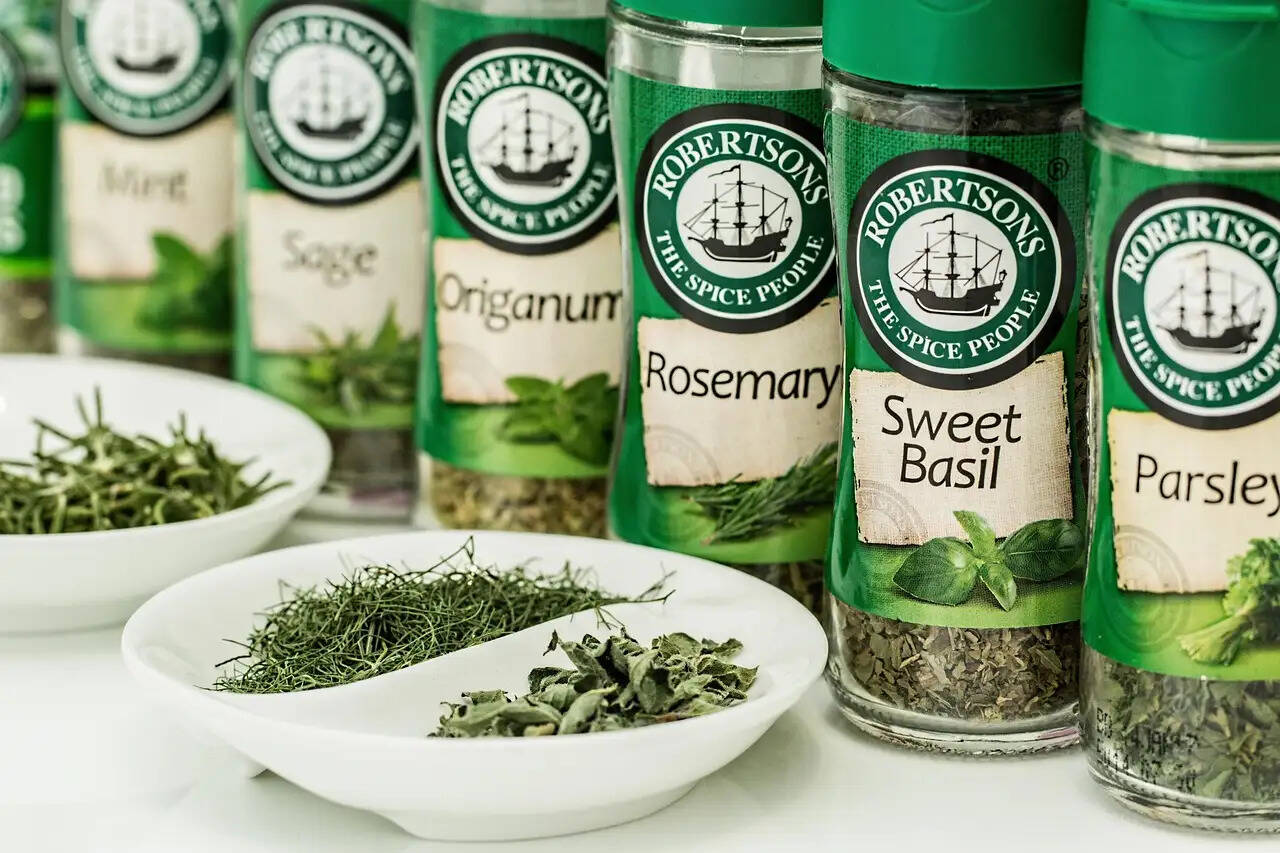
You don't need a supplement aisle to boost your antioxidant intake — a small pot on a sunny windowsill can do the job just as well. Several everyday culinary herbs rank among the most antioxidant-dense plants in the world, and nearly all of them are easy enough for a beginner to grow at home. Here are six worth planting.
1. Rosemary
Rosemary consistently ranks among the highest antioxidant herbs, thanks largely to compounds called rosmarinic acid and carnosic acid, both linked to reducing oxidative stress in the body. It's also remarkably forgiving to grow — rosemary thrives in dry soil and full sun, making it one of the easiest herbs to keep alive even for reluctant gardeners.
2. Oregano
Gram for gram, oregano is one of the most antioxidant-rich herbs available, driven by high concentrations of phenolic compounds like carvacrol and thymol. It grows well in containers, prefers well-drained soil, and tends to spread readily once established, making it a low-maintenance addition to any kitchen garden bed.
3. Thyme
Thyme brings a similar antioxidant profile to oregano, rich in thymol, a compound also credited with natural antimicrobial properties. It's a hardy, drought-tolerant herb that does well in pots, requires minimal watering once established, and can be harvested continuously through much of the growing season without losing vigor.
4. Holy Basil (Tulsi)
Long used in Ayurvedic tradition, holy basil is particularly rich in eugenol and other polyphenols associated with reducing inflammation and oxidative damage. It grows readily in warm climates, prefers consistent moisture and partial sun, and can be brewed into tea as easily as it's added to cooking, making it one of the more versatile plants on this list.
5. Sage
Sage carries strong concentrations of rosmarinic acid, similar to its cousin rosemary, along with carnosol, both studied for their antioxidant activity. It's a hardy perennial that tolerates poor soil and irregular watering well, making it a practical choice for gardeners who want reliable herbs without constant upkeep.
6. Mint
Mint is both one of the most antioxidant-active herbs and one of the fastest-spreading — a combination that makes container growing almost essential, since mint left unchecked in open garden soil will quickly take over neighboring plants. Its rosmarinic acid content contributes to its cooling, refreshing quality, whether steeped in tea or added fresh to dishes.
Getting Started
Most of these herbs share similar growing needs: well-drained soil, moderate sunlight, and a preference for being slightly underwatered rather than overwatered.
Mediterranean herbs like rosemary, oregano, thyme, and sage in particular do best when soil is allowed to dry out between waterings, mimicking their native dry, rocky origins. A single windowsill planter box with two or three of these herbs is often enough to keep a kitchen consistently supplied.
The Takeaway
Antioxidants alone aren't a cure-all, and no herb garden replaces a genuinely balanced diet — but growing your own antioxidant-rich herbs is a low-effort way to add both fresh flavor and functional nutrition to everyday cooking, all from a space no bigger than a kitchen counter.
