Iconic Indian Beers of the 1980s: The Ones That Faded and the Ones That Came Back
Before craft breweries, imported labels and fancy beer menus, India’s beer scene was simple. You walked into the local “wine shop”, asked for whatever was cold, and walked out with a big brown bottle. The 1980s had a cast of beers that many Indians remember fondly, and most of them are now rare sights or gone altogether.
Rosy Pelican
For many in north India, especially Delhi, Rosy Pelican was the beer of choice. Brewed in the region since the early 1970s, it was known for its rich, slightly musty lager taste that loyal fans swore was better than the big names. Veteran BBC correspondent Mark Tully was reportedly a fan. Over the years, though, the pelican quietly flew away, and today it lives on mainly in memories and old bottle collections.
Golden Eagle
Here’s a piece of trivia that surprises many: Golden Eagle was once India’s number one beer. Brewed by Mohan Meakin, the makers of Old Monk, it ruled the market until the 1980s, when a new challenger called Kingfisher swooped in and took the crown. Golden Eagle still exists, but it’s a shadow of its former glory, and many younger drinkers have never heard of it.
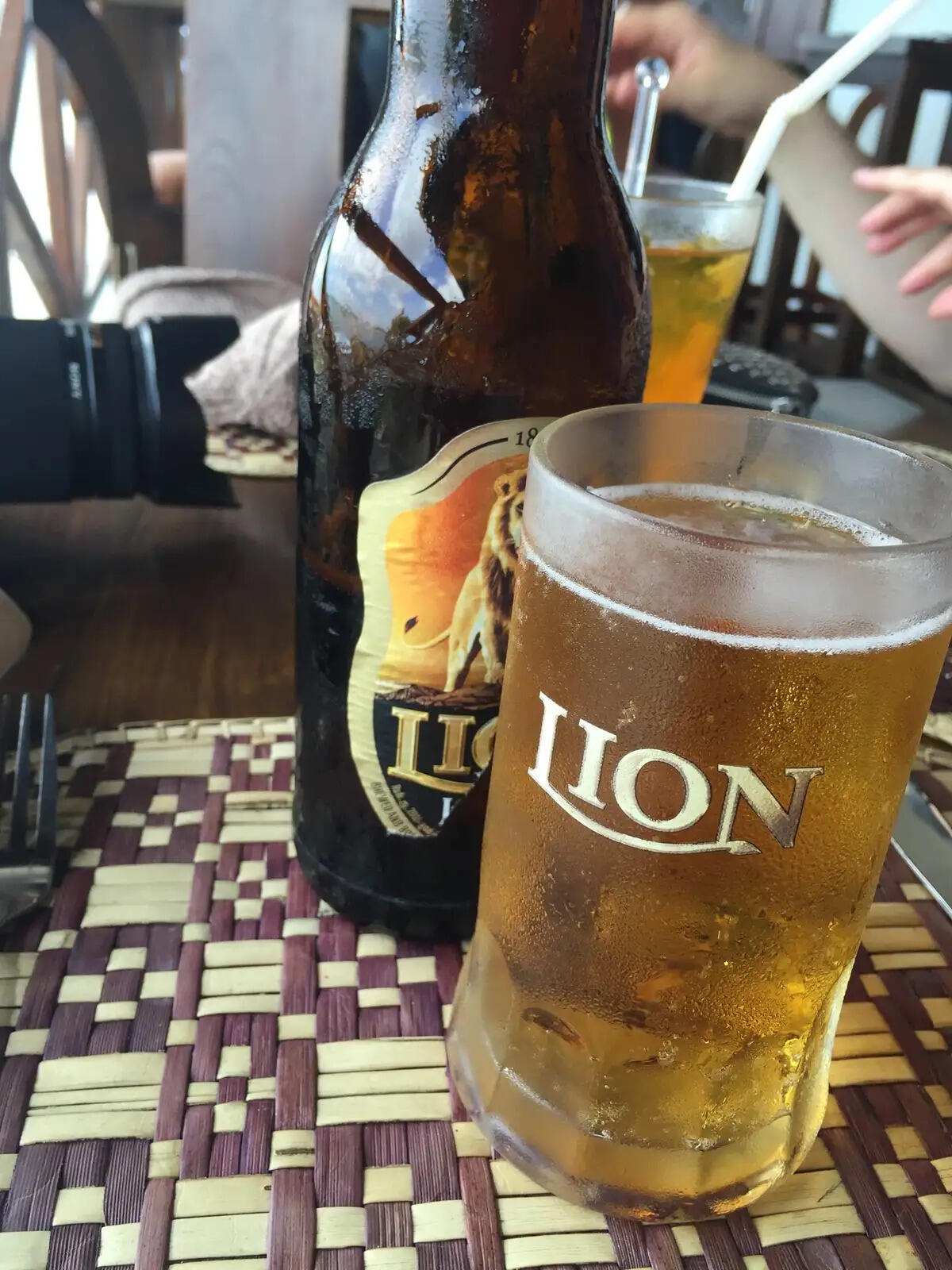
Lion
Lion holds a remarkable title: it is often called Asia’s first beer, brewed since the colonial era in the hills of Kasauli. By the turn of the millennium, sales had dropped so sharply that it was mostly available only through Army canteens. For a whole generation, it had practically vanished. It has since been relaunched, a rare comeback story among the faded brands of the past.
Kalyani Black Label
Few beers carry as much nostalgia in eastern India as Kalyani Black Label. First brewed on the banks of the river Kalyani in Bengal, it was a favourite for generations, and for many it was simply “the first sip of beer.” Over time it faded from shelves as newer brands took over. In September 2025, United Breweries brought it back as Kalyani Black Label Strong in West Bengal. Fans who grew up with it finally got to raise a bottle again.
The Rise of the “Strong” Beers
The 1980s also saw the birth of India’s love affair with strong beer. Brands like Guru from Mohan Meakin, often described as India’s first strong beer, and Khajuraho from Madhya Pradesh’s Lilasons Breweries, billed as the country’s first super-strong beer, offered a bigger kick for the money. Names like Thunderbolt and Rajdhani joined the race. Few people under 35 would recognise these labels today.
Why Did They Disappear?
The 1990s and 2000s changed everything. Big companies bought up smaller breweries, international giants entered India, and marketing budgets grew. Brands that couldn’t keep up were either merged, sidelined or quietly retired, leaving the market dominated by a handful of names.
The Bottom Line
These beers may be gone or forgotten, but they’re part of India’s drinking history: the conversations, celebrations and long evenings of a different era. For those who remember them, every mention brings back the taste of the good old days.
Disclaimer – Alcohol-Related Content
The articles published on this website relating to beer, alcohol and alcoholic beverages are intended solely for general information and educational purposes. They do not constitute an endorsement, recommendation or encouragement to purchase or consume alcoholic beverages. The content is not intended for individuals below the legal drinking age and should not be interpreted as medical advice or as a substitute for professional guidance. Alcohol consumption carries health risks and may lead to dependence. Individuals who consume alcohol should do so responsibly and in accordance with applicable laws. Never drink and drive.
Image courtesy: Wikipedia

