
New-Age Indian & International Wellness Drinks Explained
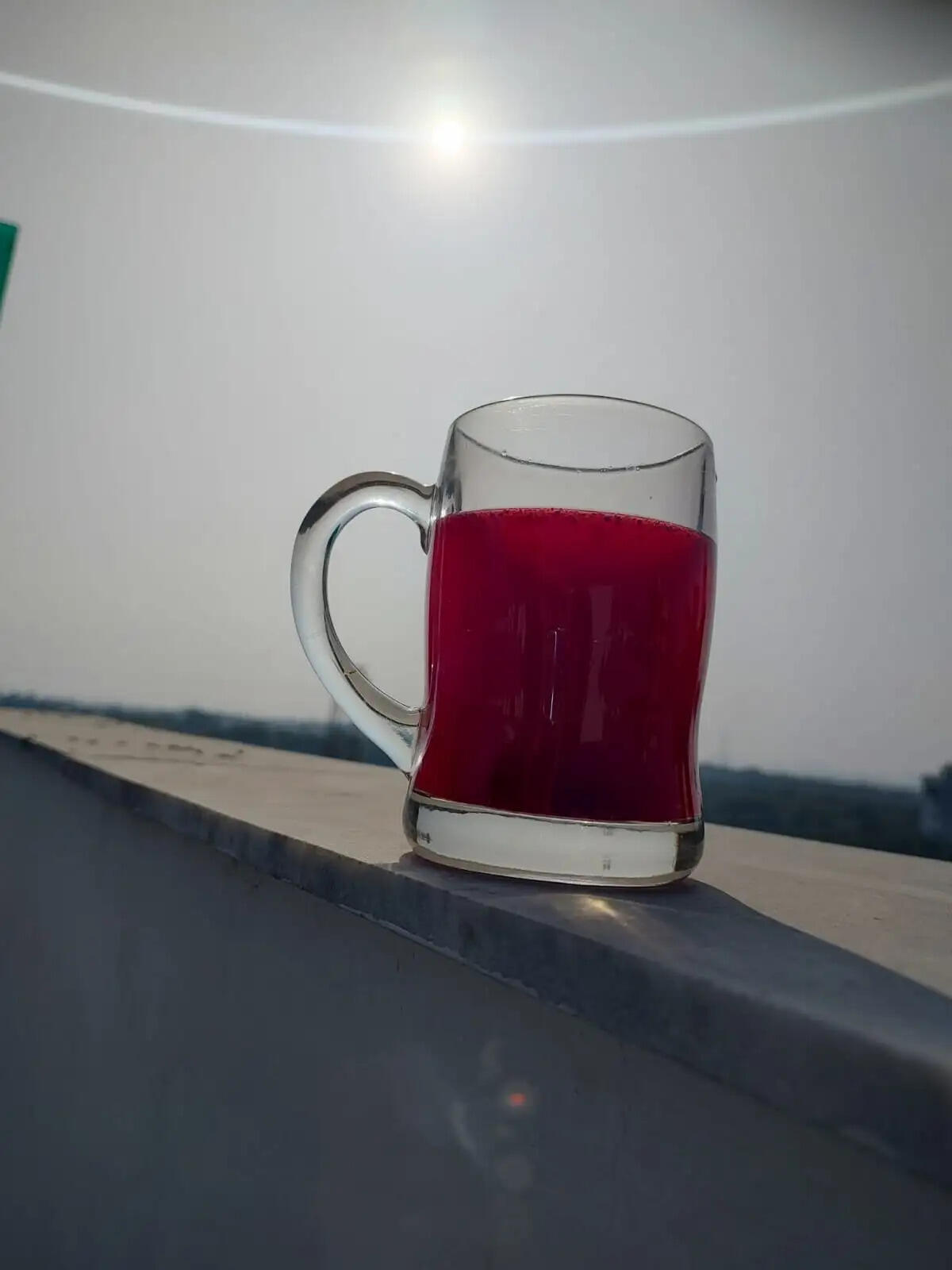
A New Beverage Culture Is Taking Shape
Across urban cafés, wellness stores, fitness studios, and even home kitchens, a noticeable transformation is brewing in the beverage space. Sugary soft drinks and heavily processed refreshments are slowly making room for drinks that promise something more meaningful — better digestion, sustained energy, mental clarity, hydration, and long-term wellness.
What makes this trend fascinating is that many of these beverages are not instantly lovable. Their earthy, sour, smoky, bitter, or fermented flavours often require people to slowly develop a taste for them. Yet consumers are increasingly embracing these drinks because they are seen as functional additions to everyday life rather than mere refreshments.
India’s Traditional Wellness Drinks Make a Comeback
Kanji
The fermented black carrot drink known as Kanji is making a strong comeback among health-conscious consumers. Its tangy, spicy, and slightly pungent flavour can feel unusual initially, but its probiotic qualities and digestive benefits are helping it regain popularity in urban India.
Kahwa
Kahwa, the traditional Kashmiri tea infused with saffron, spices, and nuts, is also finding a new audience. Unlike sugary milk teas, this aromatic beverage offers a lighter and more calming experience, making it popular among people seeking mindful and comforting drinks.
Beet Kvass
Another emerging favourite is Beet Kvass, a fermented beetroot beverage with an earthy and salty taste profile. Though still niche, it is increasingly associated with gut wellness, detox routines, and natural nutrition trends.
International Wellness Drinks Gain Indian Fans
Kombucha
Among global wellness beverages, Kombucha has become one of the fastest-growing categories. This fermented sparkling tea has a sharp, vinegary flavour that many first-time drinkers find surprising. However, its probiotic appeal and low-sugar positioning continue to attract younger consumers.
Matcha
Matcha, the finely powdered Japanese green tea, has also gained popularity across cafés and wellness communities. Its grassy bitterness may take time to appreciate, but many consumers now prefer it for its calm and steady energy boost.
Cold Brew Black Coffee
Unlike sweetened café-style cold coffees, Cold Brew Black Coffee focuses on bold flavour and smooth caffeine delivery. Its unsweetened profile initially feels intense for many drinkers, yet it has become a preferred choice for those seeking alertness without excessive sugar.
Functional Hydration Becomes Mainstream
Sugar-Free Electrolyte Drinks
Fitness-focused consumers are increasingly shifting toward Sugar-Free Electrolyte Drinks for hydration and recovery. These beverages appeal to people who want performance support without the heavy sugar content of conventional sports drinks.
Apple Cider Vinegar Tonics
Similarly, Apple Cider Vinegar Tonics have entered mainstream wellness culture despite their sharp acidic taste. Many consumers now incorporate them into daily routines linked to digestion, metabolism, and overall wellness.
Drinking for Function, Not Just Flavour
The growing popularity of these Indian and international beverages reflects a larger lifestyle shift. Consumers are becoming more willing to accept unfamiliar flavours if the drink contributes to energy management, gut health, hydration, immunity, or mental focus.
In many ways, the rise of these “acquired taste” beverages signals the future of drinking culture — where function is becoming just as important as flavour.
